
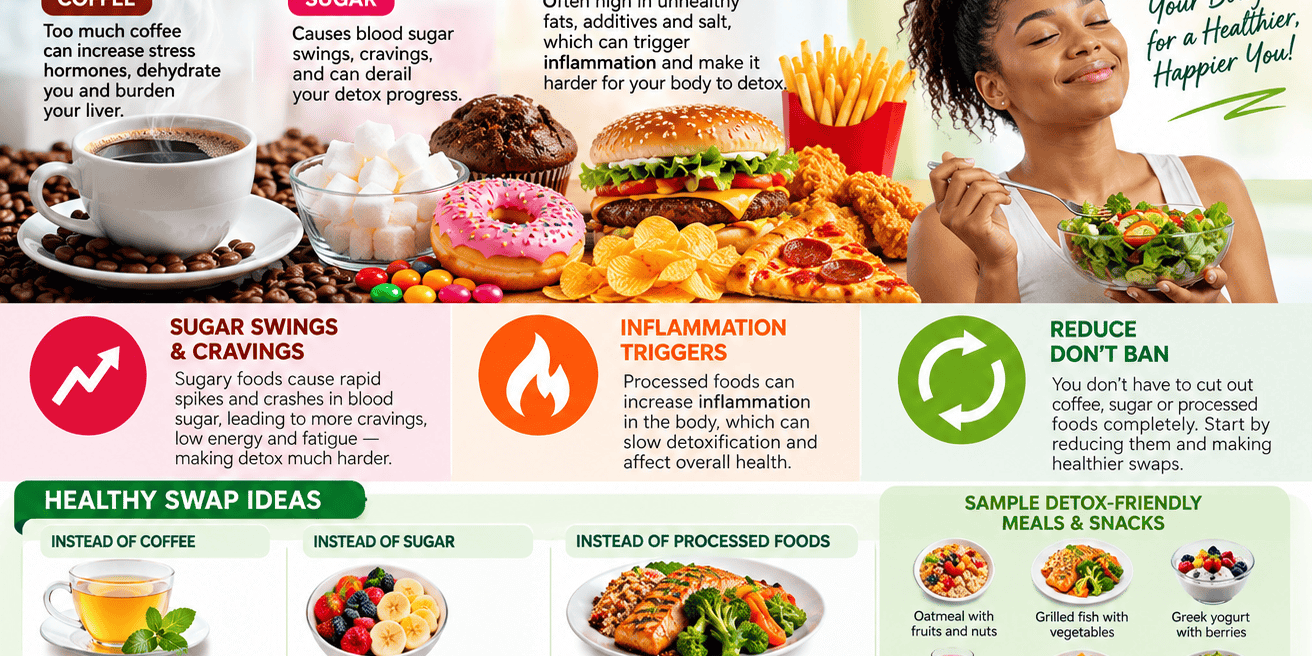
Coffee, Sugar, and Processed Foods—How They Affect Detox Results
When you begin a detox program at Medical Art Center Martlife Detox Clinic, you’re making a meaningful investment in your health. But here’s the question we hear most often: “Will I have to give up everything I love?”
The good news? No. The better news? Understanding why certain foods get in the way of your progress makes it easier to choose healthier alternatives—without feeling deprived.
Let’s talk about the usual suspects—coffee, sugar, and processed foods—and how they impact your body’s ability to detox effectively. More importantly, let’s explore real-world swaps that help you succeed.
Sugar Swings and Cravings: The Detox Derailers
Sugar strongly affects the brain. When you consume sugar, it triggers dopamine release—your brain’s “reward” chemical—creating a cycle that drives you to seek more. This isn’t about willpower; it’s biology.
During detox, your body is already working hard to process and eliminate toxins. Introducing high-sugar foods:
- Creates blood sugar spikes and crashes, leaving you fatigued and irritable
- Triggers dopamine release, which can mimic the addictive effects of substances like alcohol
- Feeds gut bacteria that thrive on sugar, which can send distress signals to your brain when sugar is reduced—leading to cravings and even anxiety
The result? You feel like you’re fighting against your own body. That’s because you are—at least temporarily.
What about the “sugar withdrawal” phase?
It’s real. Some people report headaches, fatigue, brain fog, and mood changes when they reduce sugar. These symptoms are usually temporary and reflect your brain recalibrating to lower sugar levels. The first few days are the hardest, but they get easier.
Processed Foods: Inflammation Triggers in Disguise
If sugar is the spark, processed foods fuel inflammation. Regular consumption of ultra-processed items can:
- Alter gut microbiome balance (gut dysbiosis), contributing to digestive disorders
- Increase toxin load on the liver due to additives, preservatives, and artificial ingredients
- Promote chronic inflammation linked to heart disease, diabetes, and other conditions
One major culprit: Advanced Glycation End Products (AGEs). These harmful compounds are abundant in Western diets and form when foods are heated, pasteurized, dried, smoked, fried, or grilled. Once absorbed, AGEs adhere to tissues and promote oxidative stress and inflammation.
Here’s the encouraging part: A study from Mount Sinai School of Medicine found that simply reducing processed and fried foods lowered inflammation and helped restore the body’s natural defenses—without changing calorie intake.
Swap Ideas: Focus on “Reduce,” Not “Ban”
The word “ban” sets you up for failure. It triggers deprivation and rebellion. Instead, think in terms of reduction and replacement. Small, sustainable changes add up faster than dramatic (and short-lived) overhauls.
Here’s how to approach it:
| Instead of This… | Try This… | Why It Works |
| White sugar | Honey or jaggery (in moderation) | Adds nutrition and helps pacify cravings |
| Refined flours (maida) | Millets (jowar, ragi, buckwheat) | Easier to digest, more nutrients, less inflammatory |
| Regular coffee | Herbal tea | Reduces caffeine-related inflammation and supports hormonal balance |
| Deep-fried foods | Steamed, poached, or stewed meals | Drastically reduces AGEs and inflammatory compounds |
| Sugary drinks | Sparkling water or infused water | Cuts excess sugar and empty calories without feeling deprived |
Practical Meal and Snack Examples
- Breakfast: Swap your sugary cereal for a bowl of rolled oats with berries and a drizzle of honey.
- Lunch: Instead of a sandwich on white bread, try a large salad with grilled chicken, avocado, and a lemon-olive oil dressing.
- Dinner: Replace fried fish or meat with baked salmon served with steamed broccoli and a side of quinoa.
- Snack: Reach for a handful of almonds and an apple instead of a bag of chips or a sugar-loaded granola bar.
Your Partner in Detox Success
Making these changes isn’t always easy—especially when cravings hit or life gets busy. That’s where professional guidance makes all the difference.
At Medical Art Center Martlife Detox Clinic, our Detox Nutrition Coaching and Assessment program is designed to:
- Identify the unique factors affecting your detox progress
- Create a practical, personalized eating plan that works for your lifestyle
- Provide accountability and support during the challenging early stages
- Help you build sustainable habits that last well beyond your detox program
Ready to Take the Next Step?
Don’t let coffee, sugar, or processed foods derail your health goals. Whether you’re just starting your detox journey or need help getting back on track, we’re here to support you.
📞 Call us today to schedule your Detox Nutrition Assessment
🌐 Visit us online: Medical Art Center Martlife Detox Clinic
Your body can do remarkable things with the right support. Let’s help it thrive.