Boosting NK Cells: Understanding Immunological Factors in IVF Success
Meta Description: Are high NK cells sabotaging your IVF? Learn how the Medical Art Center uses reproductive immunology to treat Natural Killer cells and boost implantation rates.
The Hidden Roadblock in Fertility
You have done everything right. The embryos are healthy, the uterine lining is thick, yet implantation fails. If this sounds familiar, you are not alone. For many patients, the missing piece of the puzzle is not anatomical—it is immunological.
At Medical Art Center, we look beyond standard IVF protocols. We investigate the microscopic war happening in your bloodstream and uterine lining, specifically regarding Natural Killer (NK) cells.
Here is how boosting (or balancing) your NK cells can rewrite your fertility story.
What Are NK Cells? Your Body’s Security Guards
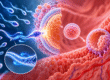
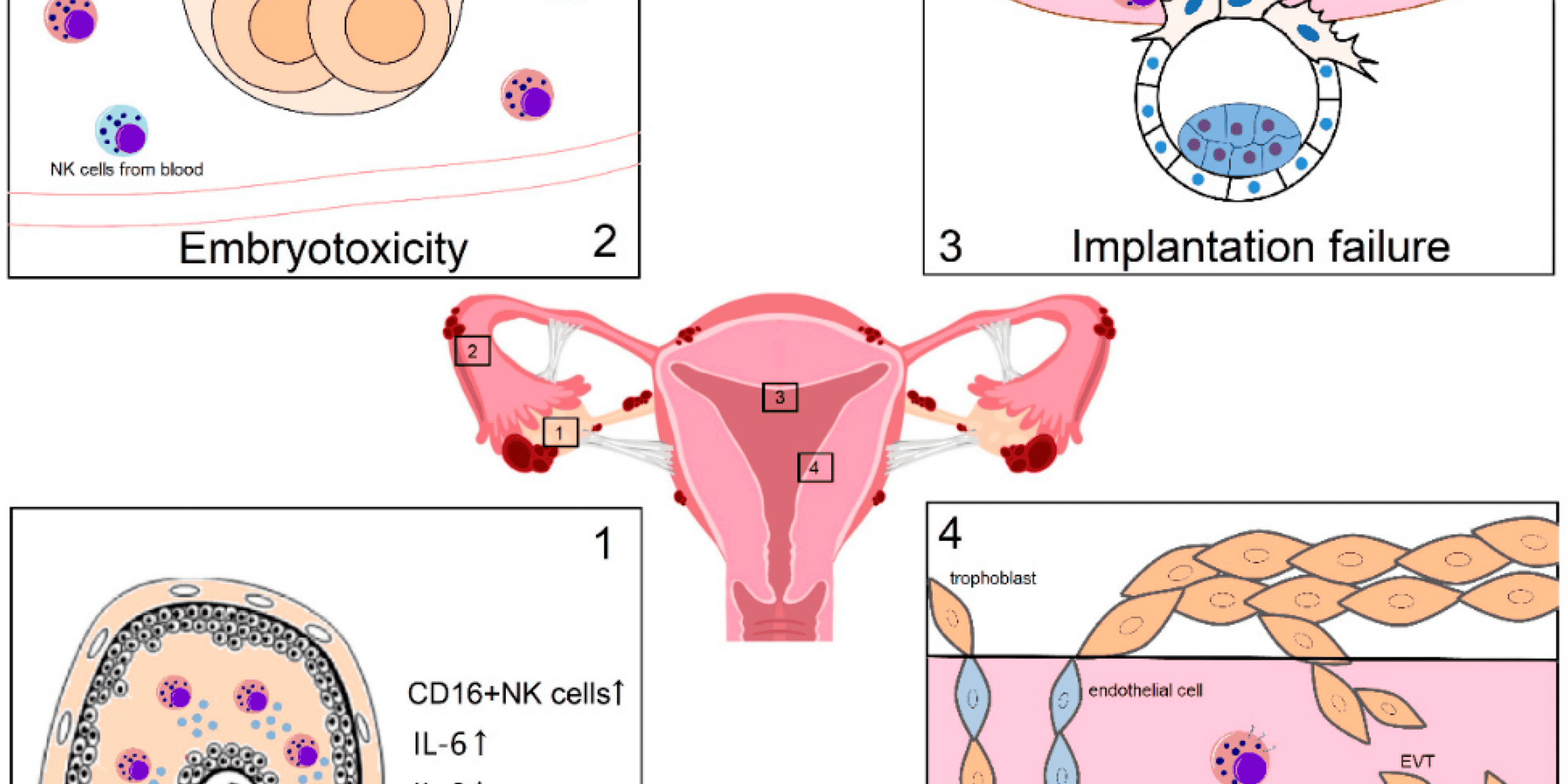
Natural Killer (NK) cells are a type of white blood cell. Think of them as the security guards of your immune system. Their job is to patrol your body, identify invaders (like viruses or cancer cells), and destroy them.
However, in early pregnancy, this system becomes tricky. A developing embryo is technically half foreign (from the father). A healthy pregnancy requires your immune system to recognize the embryo as a welcome guest, not a tumor.
When NK cells are overactive, they attack the embryo before it can implant. This leads to:
- Recurrent implantation failure (RIF).
- Chemical pregnancies.
- Recurrent miscarriage.
The Role of Uterine NK Cells
In the endometrium, uterine NK (uNK) cells are the predominant immune cells, accounting for up to 70% of leukocytes during the secretory phase when implantation occurs. Research shows that specific uNK cell phenotypes are associated with IVF outcomes:
- OVER-IMMUNE profile (normal numbers but excessive cytotoxic shift): 70% clinical pregnancy rate with treatment
- MIXED-IMMUNE profile (low numbers with cytotoxic shift): 60% clinical pregnancy rate with treatment
- LOW-IMMUNE profile (insufficient immune activation): significantly associated with first-trimester pregnancy loss
This highlights that both too much and too little immune activity can be problematic—balance is everything.
The Balance: Suppression vs. Boosting
There is a common misconception that all NK cell activity is bad. That is not true. You need some NK cell activity to remodel blood vessels and help the placenta attach.
The goal of Reproductive Immunology at Medical Art Center is homeostasis—not erasing your immune system, but modulating it.
When we “suppress” overactive NK cells (Autoimmune attack):
- Corticosteroids (Prednisolone): Low doses to lower the percentage of activated NK cells. A 2026 study of 373 RIF patients found that oral prednisone significantly improved clinical pregnancy rates in patients with elevated pNK cells (≥18%), though live birth rate differences did not reach statistical significance.
- IVIG (Intravenous Immunoglobulin): For severe, treatment-resistant elevations.
When we “boost” or modulate the immune environment:
- Intralipid Infusions: A soy-based fat emulsion that calms overactive NK cells. Research shows lipid emulsion therapy achieves comparable results to IVIG, with implantation rates of 47.8% and live birth rates of 72.5% in RPL patients.
- G-CSF (Granulocyte Colony-Stimulating Factor): This boosts certain immune cells to improve uterine lining thickness and regulate the local immune environment.
Key Insight: Timing Matters
A 2025 comparative study demonstrated that when immunomodulatory treatments (IVIG or Intralipid) are initiated before embryo transfer, clinical pregnancy rates were significantly higher (47.6% for IVIG, 30.0% for Intralipid) compared to treatment started on or after transfer day (0% pregnancy rate). This underscores why a well-timed, pre-transfer protocol is essential.
The Medical Art Center Protocol
We do not guess. We test.
Before your next frozen embryo transfer (FET), we perform a specialized NK Cell Activity Assay and a Bioenergetic test. This blood test, endometrial biopsy, and the Bioenergetic Asyra test measure three critical things :
- The Percentage: How many NK cells are present?
- The Activation Level: Are they “angry” and ready to attack, or calm?
- The Bioenergetic Status: Identifies various pathogens, heavy metals, and other toxic overload that could act as roadblocks to conception.
Based on your specific results, we create a 4-week pre-transfer protocol. It includes 5 to 10 days of preconception cleansing at the Martlife Detox clinic. For most patients with elevated NK cells, we see a significant increase in live birth rates after immune modulation.
The Science: What Research Reveals About NK Cells and IVF
Recent studies highlight the complex relationship between NK cells and IVF success:
Frozen Embryo Transfer and Immune Status
A 2026 study of 493 IVF patients found that the impact of the uterine immune environment differs significantly between fresh and frozen embryo transfers. In FET cycles, a balanced immune profile was associated with a 52.4% live birth rate compared to only 14.7% in patients with immune dysregulation. Precision immune-guided care improved live birth rates from 14.7% to 48.6%.
Predictive Modeling
A deep learning model analyzing 23 immunological variables in 2,463 RIF patients achieved 87.4% accuracy in predicting live births. Key immunological risk factors included the Th1/Th2 ratio, anti-thyroid peroxidase antibodies, antinuclear antibodies, and anti-dsDNA.
Th1/Th2 Balance
A 2026 systematic review and meta-analysis confirmed that RIF patients show a significantly higher frequency of Th1 cells (pro-inflammatory) compared to fertile women, and elevated IFN-γ/IL-10 and TNF-α/IL-10 ratios.
NK Cells and Ovarian Reserve
Research has identified a significant negative association between peripheral NK cell percentage and serum AMH levels, suggesting that higher NK cell activity may be associated with reduced ovarian reserve.
4 Natural Ways to Support NK Cell Balance
While medical intervention is often necessary, lifestyle factors can support it. To naturally help regulate your NK cells before treatment :
1. Vitamin D (The Immune Modulator)
Low Vitamin D levels are linked to high NK cell activity. Aim for a blood level above 50 ng/mL. Supplement with 2,000–4,000 IU daily (test your blood first). Studies show vitamin D supplementation enhances NK cell function and improves the Th1/Th2 ratio in RIF patients.
2. Mediterranean Diet
Reduce refined sugar and seed oils. Focus on omega-3 fatty acids (salmon, walnuts, olive oil). Omega-3s help convert aggressive NK cells into tolerant, pregnancy-friendly cells.
3. Stress Management (Cortisol Control)
Chronic stress raises cortisol levels, which paradoxically make NK cells more aggressive. Daily meditation or 20 minutes of walking lowers inflammatory cytokines.
4. General Body Detoxification (Preconception Cleansing)
The process of detoxification helps rejuvenate the body’s organ systems. It removes heavy metal overload in the reproductive organs, especially the uterus, and gets the body fully ready for conception.
FAQ: Your NK Cell Questions Answered
Q: Do I need an NK cell test?
A: Only if you have had 2+ failed IVF cycles with good embryos, or recurrent miscarriages without a clear cause.
Q: Is the treatment safe for the baby?
A: Yes. Intralipids and low-dose steroids have been used for decades in reproductive immunology. Research comparing IVIG and lipid emulsion therapy confirms their comparable safety and efficacy profiles.
Q: How long does treatment take?
A: Most patients start immune meds 7 days before transfer and continue until 8–12 weeks of pregnancy (when the placenta takes over immune protection) .
Q: Does timing of treatment matter?
A: Yes, significantly. Clinical pregnancy rates are dramatically higher when treatment is initiated before embryo transfer compared to starting on or after transfer day.
Q: Is immune testing recommended by medical guidelines?
A: Current ESHRE guidelines note insufficient evidence to routinely recommend uNK/pNK testing for RPL and RIF. However, in actual clinical practice, these tests are commonly performed for patients with recurrent reproductive failures, and many reproductive immunology specialists find them clinically valuable. At Medical Art Center, we use these tests to identify patients who may benefit from immune modulation.
Ready to Take the Next Step?
Immunology is often the missing link in the IVF journey. If you suspect your immune system is holding you back from achieving your dream of parenthood, contact the Medical Art Center. We have the technology, the science, and the compassion to help you discover a new path forward.