Polycystic Ovary Syndrome (PCOS): Symptoms, Causes, and Fertility Treatment
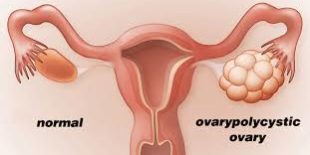
Polycystic ovary syndrome (PCOS) is a common hormonal disorder among women of reproductive age. Affecting 15-25 per cent of females, PCOS is a leading cause of infertility. The age of onset is often around 16 years. Doctors diagnose PCOS when multiple fluid-filled sacs (follicles) develop in the ovaries, giving them a beaded appearance. This condition typically leads to irregular menstruation, chronic anovulation (where the ovaries do not release an egg), and elevated levels of “male hormones” called androgens.
What Causes PCOS?
Experts point to several interrelated factors that can cause PCOS:
-
Insulin Resistance: This occurs when the body’s cells don’t respond effectively to insulin, causing blood sugar levels to rise. Over time, insulin resistance can lead to type 2 diabetes mellitus and often triggers the ovaries to produce excess androgens.
-
High Androgen Levels: While all women produce small amounts of androgens, elevated levels directly cause symptoms like unwanted hair growth (hirsutism) and acne. Furthermore, high androgens can disrupt normal ovulation.
-
Hormonal Imbalance & Anovulation: Irregular or absent ovulation not only causes infertility but also allows cysts to form in the ovaries.
-
Environmental Toxins: Toxins in our diet and environment can act as endocrine disruptors. These disruptors interfere with the ovaries’ hormonal regulation, potentially leading to PCOS.
Signs and Symptoms of PCOS
Women with PCOS may experience a range of symptoms, including:
-
Irregular Menstrual Periods: This includes infrequent periods (fewer than eight per year), very frequent cycles (less than 21 days), or a complete absence of periods.
-
Anovulation: The lack of egg release is a primary cause of infertility in PCOS.
-
Hirsutism: Excessive hair growth on the face, chest, abdomen, and upper thighs.
-
Skin Issues: Acne on the face, chest, and upper back, oily skin, and acanthosis nigricans (darkened skin patches in body creases).
-
Metabolic Changes: Obesity and difficulty managing weight.
-
Polycystic Ovaries: An ultrasound revealing ovaries with numerous small follicles.
How Does PCOS Affect Fertility?
PCOS primarily impacts fertility by preventing regular ovulation. Without the release of a mature egg, conception cannot occur naturally. Additionally, hormonal imbalances can affect the quality of the uterine lining, creating a less receptive environment for implantation.
How Do We Diagnose PCOS?
Doctors typically diagnose PCOS using the Rotterdam criteria, which requires at least two of the following three features:
-
Irregular or absent ovulation.
-
Clinical or biochemical signs of high androgen levels (like hirsutism or acne).
-
Ultrasound evidence of polycystic ovaries.
Therefore, a comprehensive evaluation including a symptom review, blood tests, and a pelvic ultrasound is essential.
Effective PCOS Treatment Options
Treatment is highly individualized, tailored to a woman’s specific symptoms, health goals, and desire for pregnancy. Generally, the approach involves lifestyle modification, medication, and sometimes surgery.
1. Lifestyle Modification: The First Line of Defence
For many women, especially those who are overweight, lifestyle changes are the most effective first step. These modifications encourage weight loss, which can restore ovulation and improve pregnancy chances.
-
Dietary Changes: A PCOS-friendly diet is high in fiber (e.g., avocados, leafy greens), lean protein (e.g., nuts, lentils), and omega-3 fatty acids (e.g., fish). Conversely, it is crucial to avoid refined carbohydrates like sodas and sweets. Incorporating iron-rich (e.g., eggs, spinach) and magnesium-rich foods (e.g., bananas, almonds) is also beneficial, while reducing caffeine intake is often recommended.
-
Regular Exercise: Moderate-intensity exercises like brisk walking, swimming, or cycling improve the body’s sensitivity to insulin, aid weight loss, and reduce the risk of cardiovascular disease and diabetes.
2. Medications and Supplements
Medications can manage specific symptoms like irregular periods, high blood sugar, and hirsutism. In addition to prescription drugs, certain supplements can support metabolic health:
-
Inositol helps improve insulin resistance.
-
Chromium aids in sugar metabolism.
-
Vitamin D, Zinc, and Omega-3 supplements are also commonly encouraged to address nutritional deficiencies and reduce inflammation.
3. Specialised Treatment at Mart-Life Detox Clinic
At Mart-Life Detox Clinic in Maryland, we take a holistic approach to managing PCOS. Our program focuses on removing environmental toxins (endocrine disruptors) that significantly contribute to hormonal imbalance and infertility. Through a customised programme, patients receive:
-
A tailored plan of regular exercise and dietary changes.
-
Bioenergetic stimulation and other complementary therapies.
-
Protocols aimed at improving ovarian health and reducing the “string of pearls” follicle appearance, ultimately enhancing the potential for conception.
4. Surgery and Advanced Fertility Treatment
When medication and lifestyle changes are insufficient, specialist intervention is needed. Laparoscopic ovarian drilling (LOD) is a surgical option that can induce ovulation. For those struggling to conceive, In-Vitro Fertilisation (IVF) has proven to be a highly successful treatment. IVF allows for controlled stimulation and the direct fertilisation of eggs, bypassing the ovulation problems caused by PCOS.