#Here is a rewritten, highly SEO-optimized, and deeply empathetic version of the blog post. It is structured to rank well on search engines while maintaining a compassionate, authoritative tone that establishes Medical Art Center as a leader in fertility care.
Suggested SEO Meta Title: Repeated Implantation Failure: Overcoming a Thin Endometrium | Medical Art Center
Suggested Meta Description: Struggling with IVF failure? A thin endometrium could be the cause of Repeated Implantation Failure (RIF). Learn the causes, advanced treatments, and how Medical Art Center can help you achieve a successful pregnancy.
Target Keywords: Repeated Implantation Failure (RIF), thin endometrium, IVF failure, failed embryo transfer, how to thicken uterine lining, Asherman’s Syndrome, PRP for thin lining, Medical Art Center.
Repeated Implantation Failure: When a Thin Endometrium Affects Your IVF Journey
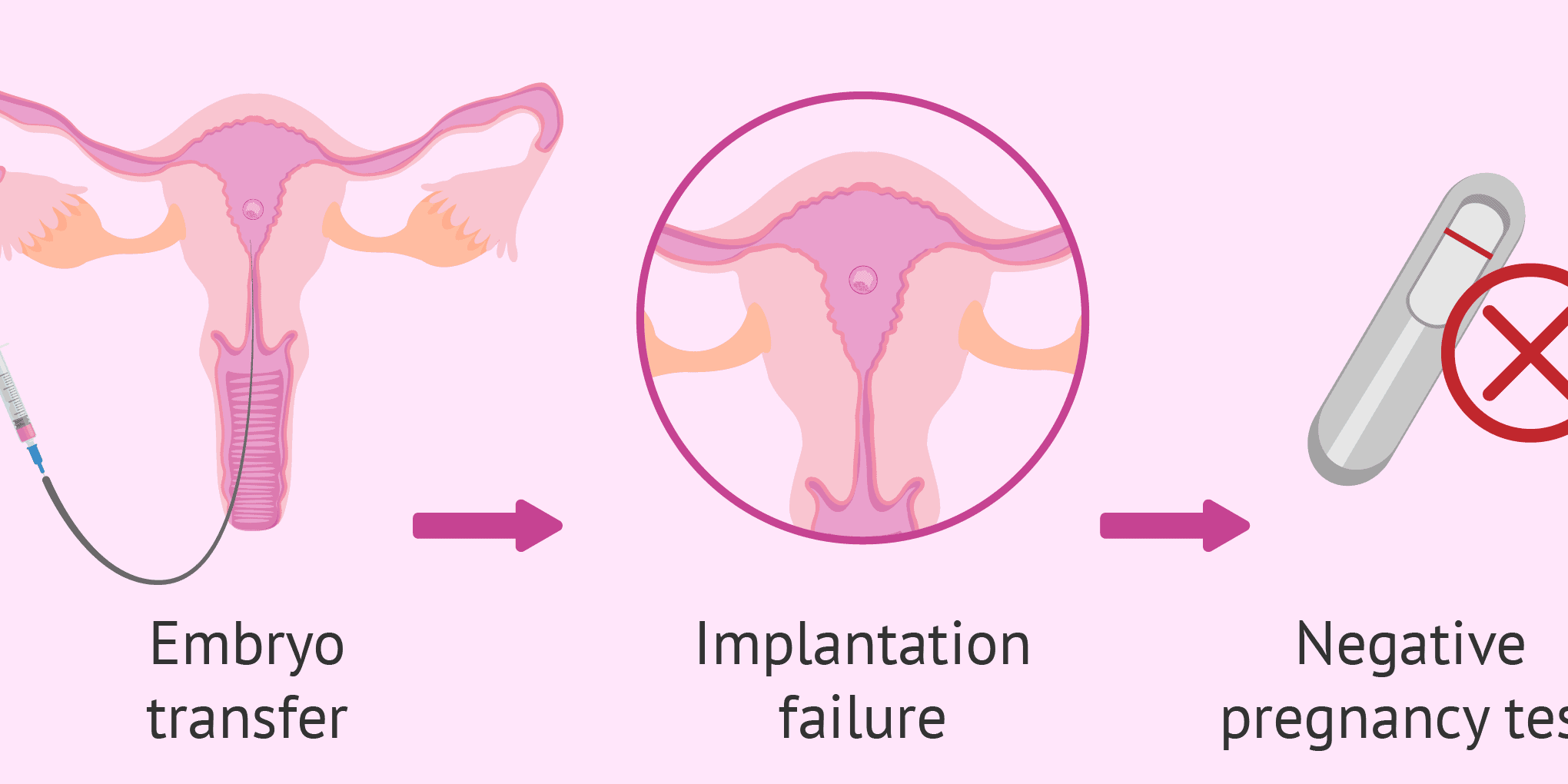
Undergoing an IVF cycle takes tremendous emotional, physical, and financial strength. When a high-quality embryo fails to implant—not once, but multiple times—the pain is profound.
If your doctor has diagnosed Repeated Implantation Failure (RIF), you may wonder what went wrong. Often, the issue lies not with the embryo (the seed) but with the uterine lining (the soil).
At Medical Art Center, we understand this heartbreak. A thin endometrium is a common, yet highly treatable, cause of IVF failure. Here’s what you need to know—and how our advanced protocols can turn your next transfer into success.
What Is a Thin Endometrium?
The endometrium is the inner lining of the uterus. During a healthy cycle, it thickens in response to estrogen, creating a nutrient-rich environment for an embryo.
During IVF or frozen embryo transfer (FET), your doctor measures this lining via ultrasound:
- Optimal thickness: 8–14 mm with a trilaminar (three-layered) appearance.
- Thin uterine lining: less than 7 mm at the time of transfer.
A lining this thin lacks the blood vessels and depth needed to support implantation—leading to failed embryo transfers.
Why a Thin Lining Causes Failed Embryo Transfers
Successful implantation requires precise communication between the embryo and the uterus. A thin endometrium disrupts this in three critical ways:
- Poor blood supply – Restricted flow means fewer oxygen and nutrients reach the embryo.
- Oxygen toxicity – The embryo implants too close to high-oxygen-concentration basal arteries, leading to oxidative stress.
- Lack of adhesion molecules – A thin lining produces fewer “cellular Velcro” proteins (integrins and cytokines) needed to hold the embryo.
Common Causes of a Thin Uterine Lining
Several factors can lead to a persistently thin endometrium:
- Estrogen deficiency or resistance – Low estrogen or poor receptor response limits thickening.
- Uterine trauma – Prior D&C or infections can cause scar tissue (Asherman’s Syndrome).
- Reduced pelvic blood flow – Sedentary habits, surgery, or anatomical issues restrict circulation.
- Prolonged Clomid use – This ovulation drug can block estrogen receptors, thinning the lining over time.
How to Thicken the Uterine Lining: Advanced Treatments at Medical Art Center
If Repeated Implantation Failure is due to a thin lining, you still have excellent options. At Medical Art Center, we combine diagnostics with personalized therapies:
1. Diagnostic Hysteroscopy
A minor camera procedure to identify and remove scar tissue or adhesions that prevent normal growth.
2. Enhanced Hormonal Protocols
When oral estrogen fails, we use vaginal estrogen, patches, or injections—delivering medication directly to the reproductive organs for a stronger effect.
3. Blood Flow Optimization
We improve pelvic circulation with:
- Vitamin E + Pentoxifylline – to reduce scarring and improve tissue oxygenation.
- Low-dose aspirin or vaginal vasodilators – to relax vessels and maximize uterine perfusion.
4. Regenerative Medicine (PRP & G-CSF)
For resistant cases, we offer cutting-edge therapies:
- PRP (Platelet-Rich Plasma) – concentrated growth factors from your own blood, infused into the uterus to stimulate tissue regeneration.
- G-CSF uterine wash – a specialized rinse that promotes a thicker, more receptive endometrial layer.
A Message of Hope from Medical Art Center
Navigating Repeated Implantation Failure is one of the hardest roads in fertility care. But identifying a thin endometrium transforms an “unexplained” loss into a treatable condition.
By customizing your FET protocol, removing structural barriers, and leveraging regenerative medicine, we can create an optimal environment for a healthy pregnancy.
You are not out of options. If you’ve experienced recurrent IVF failure, contact Medical Art Center today. Let’s review your history and build a personalized plan—together, we can move forward with confidence.