Meta Title: Fibroids & Fertility: Do You Need a Myomectomy Before IVF or Pregnancy?
Meta Description: Wondering if fibroids are affecting your fertility? Learn when a myomectomy is necessary, how fibroids impact IVF success, and get expert advice at Medical Art Center Lagos.
URL Slug: fibroids-fertility-myomectomy-guide
Fibroids and Fertility: Do You Need a Myomectomy Before Pregnancy or IVF?
For countless women navigating the journey to motherhood, the discovery of uterine fibroids often brings a wave of anxiety and a critical question: Do I need surgery before I can conceive, or should I proceed with IVF?
Uterine fibroids are incredibly common, particularly among women of reproductive age and African women. While the majority of fibroids are asymptomatic and do not interfere with conception, a significant subset can act as a barrier to implantation, increase the risk of miscarriage, and complicate pregnancy.
At Medical Art Center (MAC), Lagos—one of Africa’s premier fertility centers—we specialize in evaluating the complex relationship between fibroids and fertility. Understanding your specific diagnosis is the first step toward optimizing your chances of a healthy pregnancy, whether naturally or through Assisted Reproductive Technology (ART).
What Are Uterine Fibroids?
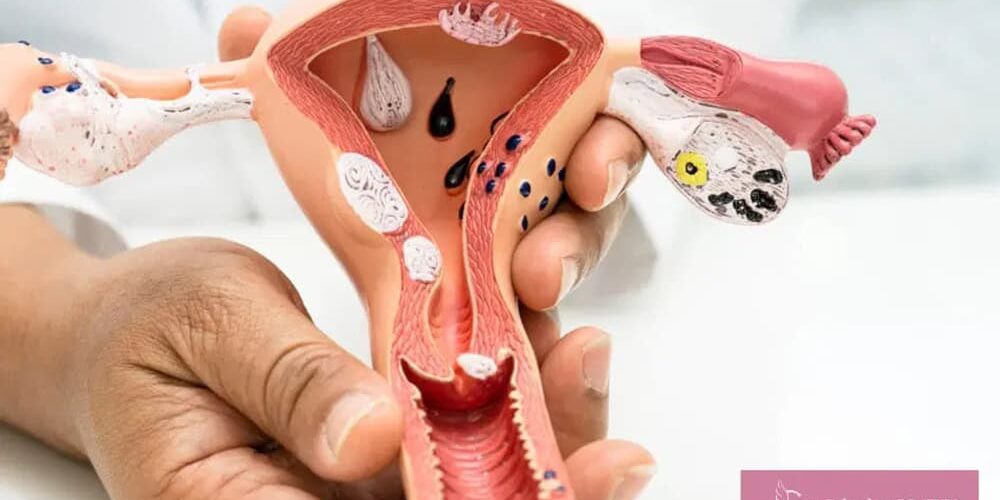
Medically known as uterine leiomyomas, fibroids are non-cancerous growths that develop from the muscle tissue of the uterus. They are not a singular condition but vary dramatically in:
-
Size: From microscopic seedlings to large masses that distort the abdomen.
-
Location: Within the uterine wall, protruding into the cavity, or growing outward.
-
Number: Single or multiple clusters.
Many women have fibroids without ever knowing it, while others experience debilitating symptoms that impact their quality of life and fertility.
Recognizing the Symptoms
While some fibroids are silent, others present with:
-
Heavy, prolonged menstrual bleeding.
-
Severe period pain.
-
Pelvic pressure, pain, or a feeling of fullness.
-
Frequent urination or constipation.
-
Abdominal enlargement.
-
Recurrent miscarriage or difficulty conceiving.
The key takeaway: Not all fibroids affect fertility. Their impact is almost entirely dependent on their precise size and location.
How Fibroids Hinder Conception and IVF
Fibroids can disrupt the delicate reproductive process in several ways. Here is how they can impact your journey:
-
Distortion of the Uterine Cavity: Fibroids that bulge into the uterine cavity can physically prevent an embryo from implanting successfully.
-
Blockage of Fallopian Tubes: Large fibroids may compress or obstruct the tubes, preventing the sperm and egg from meeting.
-
Compromised Blood Flow: They can alter the vascular supply to the endometrium (uterine lining), making it less receptive to implantation.
-
Abnormal Uterine Contractions: Fibroids can interfere with the natural muscle contractions that help transport sperm and facilitate embryo implantation.
-
Pregnancy Complications: Even if conception occurs, fibroids can increase the risk of preterm labor, placental abruption, and the need for a Cesarean delivery.
Types of Fibroids and Their Fertility Impact
Understanding the location of your fibroids is the most critical factor in deciding whether treatment is necessary.
| Type of Fibroid | Location | Impact on Fertility |
|---|---|---|
| Submucosal | Grows into the uterine cavity. | High Impact. These have the greatest negative effect on conception and IVF success rates. Even small submucosal fibroids usually require removal. |
| Intramural | Develops within the muscular uterine wall. | Moderate Impact. Large intramural fibroids can distort the cavity and affect implantation. Impact depends on size and proximity to the endometrial lining. |
| Subserosal | Grows on the outer surface of the uterus. | Minimal Impact. Generally, they do not affect fertility. Surgical removal is rarely recommended unless they are causing severe pain or pressure. |
What Is a Myomectomy?
A myomectomy is the surgical removal of fibroids while preserving the uterus. Unlike a hysterectomy (which removes the uterus entirely), a myomectomy is designed specifically for women who wish to retain their fertility.
Depending on your specific case, the procedure can be performed in three ways:
-
Hysteroscopic Myomectomy: A minimally invasive, incision-less procedure where a camera is inserted through the cervix to remove submucosal fibroids.
-
Laparoscopic Myomectomy: A minimally invasive surgery using small abdominal incisions for selected fibroids. (Often referred to as “keyhole” surgery).
-
Open (Abdominal) Myomectomy: A traditional surgery involving a larger abdominal incision. This is recommended for very large, numerous, or complex fibroids.
Do You Really Need a Myomectomy?
No. The simple answer is that not every woman with fibroids needs surgery.
Many women conceive naturally and carry to term without intervention. Surgery is typically recommended when:
-
You are facing Infertility: Imaging shows the fibroids are distorting reproductive function.
-
You have Recurrent Implantation Failure: You have experienced failed IVF cycles.
-
You have Recurrent Miscarriages: Fibroids are believed to be interfering with fetal growth.
-
You have Severe Symptoms: Heavy bleeding or pelvic pain is affecting your quality of life.
The IVF Connection: Should Fibroids Be Removed Before Treatment?
This is the most frequently asked question at our Lagos fertility clinic. Research is clear on the following points:
-
Submucosal fibroids drastically reduce IVF success rates and should almost always be removed.
-
Large intramural fibroids that distort the cavity generally lower implantation rates.
-
Small intramural or subserosal fibroids typically do not require removal before IVF.
The decision to proceed with surgery depends on your age, ovarian reserve, the size/number of fibroids, and your previous fertility history. Our specialists use an evidence-based approach to ensure you avoid unnecessary procedures while maximizing your chances of a successful pregnancy.
Recovery Timeline: When Can You Try to Conceive?
Recovery is crucial to allow the uterine wall to heal properly, reducing the risk of uterine rupture during a future pregnancy.
-
Hysteroscopic Myomectomy: 1 to 3 months.
-
Laparoscopic Myomectomy: 3 to 6 months.
-
Open Myomectomy: 3 to 6 months (depending on the complexity).
Your specialist will recommend the safest timeframe based on your specific healing process and reproductive goals.
Expert Fibroid Evaluation at Medical Art Center
At Medical Art Center (MAC) in Lagos, we don’t take a one-size-fits-all approach. We utilize cutting-edge diagnostics to get a clear picture of your reproductive health.
Our evaluation may include:
-
Advanced Pelvic Ultrasound & 3D Imaging: To map the exact location of fibroids.
-
Saline Infusion Sonography (SIS): To visualize the uterine cavity in great detail.
-
Hysteroscopy: Direct visual inspection of the inside of the uterus.
Our team carefully evaluates whether fibroids are truly contributing to your fertility struggles before ever recommending surgery.
The Bottom Line: Taking Control of Your Fertility
Fibroids are not a definitive sentence of infertility. The critical factors are the location, size, and number of growths, as well as your reproductive goals.
If you are struggling to conceive, have experienced recurrent miscarriages, or are planning an IVF cycle, a comprehensive fertility evaluation is your most powerful tool. A personalized plan can determine whether a myomectomy will improve your chances of carrying a healthy baby.
Ready to Move Forward? Book Your Consultation
If you have fibroids and are trying to conceive, take the first step toward clarity. Contact Medical Art Center today for a comprehensive fertility evaluation and expert guidance tailored to your unique reproductive future.
Medical Art Center (MAC)
Leading Fertility & IVF Center in Nigeria
📞 Call Us: [+234 803 123 4567] (Note: Placeholder – ensure this is accurate)
🌐 Visit our Website: www.medicalartcenter.com