Understanding Diminished Ovarian Reserve: Symptoms, Causes, and Treatment Options
Meta Description: Worried about low egg count? Learn the signs of Diminished Ovarian Reserve (DOR), how it affects fertility, and what cutting-edge treatments are available at the Medical Art Center.
URL Slug: /diminished-ovarian-reserve-treatment
Every woman is born with all the eggs she will ever have. Think of it as a biological “nest egg.” As you age, that number naturally declines.
But for some women—young or old—that decline happens faster than expected. This condition is called Diminished Ovarian Reserve (DOR).
If you have been told you have “low AMH” or a “low egg count,” don’t lose hope. While DOR presents challenges, modern reproductive medicine offers powerful solutions.
Here is everything you need to know about Diminished Ovarian Reserve and how the Medical Art Center can help you build the family you dream of.
What Exactly is Diminished Ovarian Reserve?
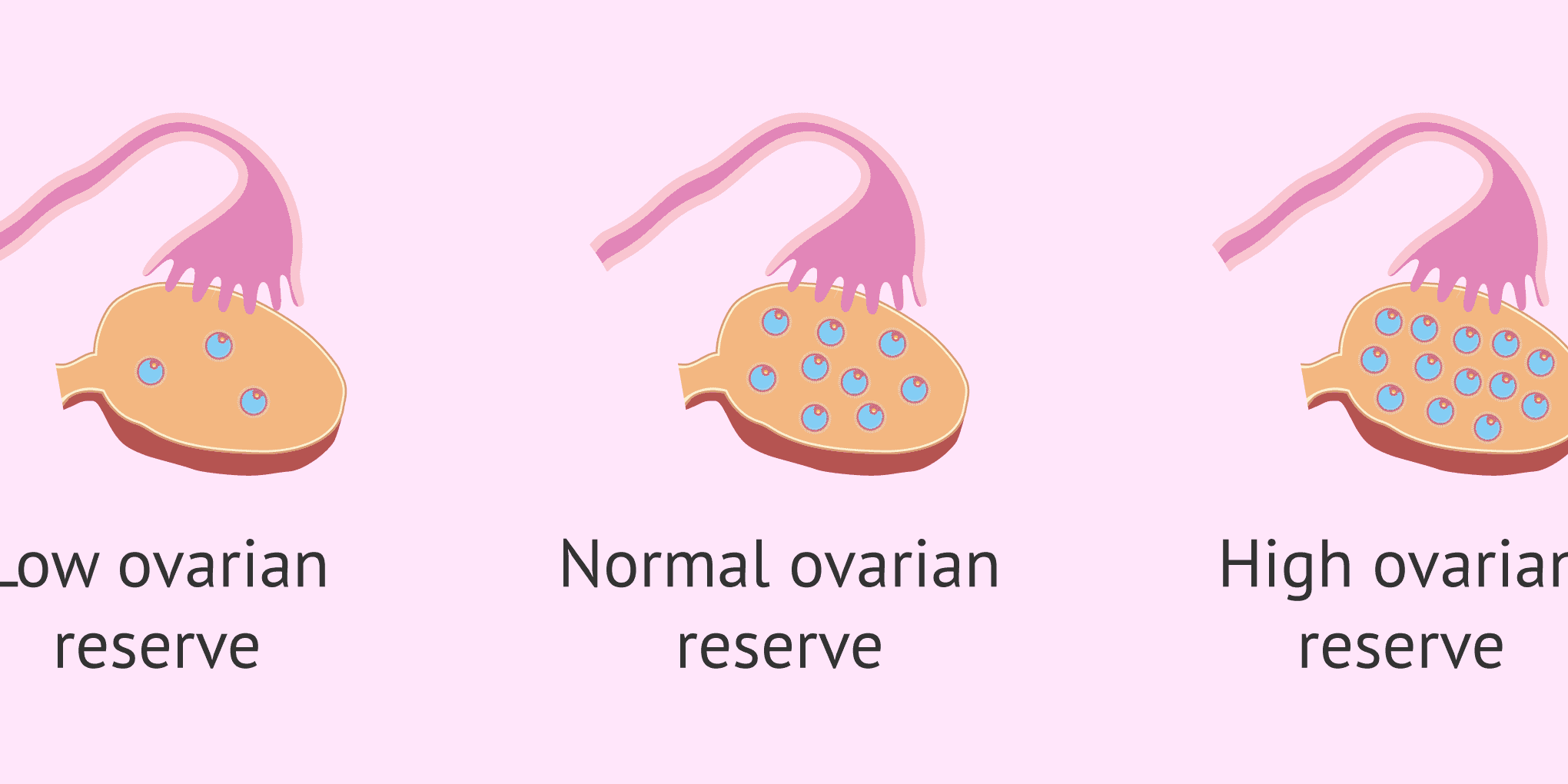
Ovarian reserve refers to the number of quality eggs remaining in your ovaries. When you have Diminished Ovarian Reserve, your ovary’s supply of eggs is lower than expected for your age.
Quick Facts about DOR:
- It affects approximately 10-30% of women seeking fertility treatment.
- It does not mean you are infertile, but it does mean you have less time to conceive naturally.
- DOR is different from Premature Ovarian Failure (POF). With DOR, you still have periods; with POF, you no longer have periods.
Common Signs and Symptoms (How to Know if You Have Low Egg Count)
The tricky part about DOR is that it often has no obvious symptoms. However, there are red flags to watch for:
- Difficulty getting pregnant: Trying for 6+ months without success (especially if you are over 35).
- Shorter menstrual cycles: If your cycle suddenly shortens from 28 days to 21–24 days, it could signal a declining reserve.
- Heavy or light flow changes: Reduced hormonal production can alter your period.
- Family history: A strong history of early menopause (before age 45) in your mother or sisters.
What Causes Diminished Ovarian Reserve?
While age is the #1 factor (egg count drops rapidly after 37), younger women can also experience DOR. Other causes include:
- Genetic abnormalities, Such as Fragile X syndrome or Turner syndrome.
- Medical treatments: Prior chemotherapy or pelvic radiation therapy.
- Endometriosis: Especially chocolate cysts (endometriomas) on the ovaries.
- Ovarian surgery: Multiple surgeries to remove cysts can inadvertently remove healthy tissue.
- Autoimmune disorders: Where the body mistakenly attacks the ovaries.
- Lifestyle factors: Heavy smoking is proven to accelerate egg loss.
How is DOR Diagnosed?
At the Medical Art Center, we use a simple but accurate battery of tests to assess your ovarian reserve:
- AMH Blood Test (Anti-Müllerian Hormone): This is the gold standard. A low AMH level (generally <1.0 ng/mL) indicates a low egg supply.
- Antral Follicle Count (AFC): A transvaginal ultrasound counts the small follicles visible on your ovaries. Fewer than 4–6 follicles suggest DOR.
- FSH & Estradiol: Blood tests taken on day 2 or 3 of your cycle. High FSH (>10 mIU/mL) is a sign of poor reserve.
Note: A low AMH does not predict egg quality, only egg quantity. You can get pregnant with one good egg.
Can You Get Pregnant Naturally with Low Ovarian Reserve?
Yes, but the window is shorter. DOR doesn’t stop ovulation, so natural conception is possible. However, because you have fewer eggs, time is not on your side.
The biggest risk of DOR is not today—it is next year. What works now may be impossible in 12 months.
That is why fertility preservation (egg freezing) is often recommended immediately upon diagnosis.
Treatment Options at the Medical Art Center
At the Medical Art Center, we do not believe in a “one-size-fits-all” protocol. Women with DOR require a customized, aggressive approach.
1. Lifestyle & Supplement Optimization
Before treatment, we optimize your egg health. We may recommend:
- CoQ10 (Ubiquinol): Boosts mitochondrial energy in eggs.
- DHEA: For women with specific androgen deficiencies (only under medical supervision).
- TrueRife and BES: To improve blood flow to the ovaries.
2. Mild Stimulation IVF (Mini-IVF)
Traditional high-dose IVF often fails for DOR patients because the ovaries simply don’t respond. We use:
- Lower doses of medication to focus on quality over quantity.
- Gentle protocols to avoid canceling cycles.
3. PRP Ovarian Rejuvenation
One of the most exciting breakthroughs available at the Medical Art Center is Ovarian PRP (Platelet-Rich Plasma).
- How it works: We inject your own growth factors into the ovaries.
- Goal: To “awaken” dormant follicles and potentially reduce FSH levels.
4. Egg Donation (When Necessary)
If your ovarian reserve is critically low and you have not responded to treatment, egg donation offers a 60-70% success rate per transfer. We understand this is an emotional decision, and we support you with counseling and legal navigation.
Why Choose Medical Art Center for DOR?
- Specialized Embryology Lab: DOR eggs are fragile. Our time-lapse imaging allows us to select the healthiest embryo without disturbing it.
- International Second Opinions: We review your failed cycles via telemedicine and adjust protocols.
- Emotional Support: DOR carries a heavy psychological toll. Our in-house psychologists specialize in fertility grief.
Your Next Step
If you have been told your AMH is “too low” or you are over 35 and struggling to conceive, do not wait.
At Medical Art Center, every egg counts. We specialize in the difficult cases—including Diminished Ovarian Reserve.
Contact us today for a fertility assessment. We will measure your AMH, count your antral follicles, and build a timeline that works for your body.
You still have time. Let us help you protect it.
FAQ: Diminished Ovarian Reserve
Q: Does Low AMH mean I will go into early menopause?
A: Not necessarily. Low AMH predicts response to IVF, but many women with low AMH have normal menopause ages.
Q: Can diet reverse DOR?
A: No. Diet can improve egg quality, but cannot create new eggs. You are born with all you will ever have.
Q: Is DOR the same as perimenopause?
A: No. Perimenopause includes hormonal swings and cycle irregularity. DOR simply means a low quantity of eggs left.
Keywords used: Diminished ovarian reserve, low AMH, low egg count, ovarian reserve testing, DOR treatment, IVF for low ovarian reserve, PRP ovarian rejuvenation, fertility preservation, Medical Art Center, antral follicle count.