
Sleep, Detox, and Cellular Repair: The Hidden Longevity Connection
We tend to think of sleep as a luxury or a passive pause button. We brag about getting by on five hours, chug coffee to mask the fatigue, and tell ourselves we’ll “catch up on the weekend.”
But while you are scrolling through your phone or pulling that late night at work, your body is missing its only window to perform a biological miracle: cleaning your brain and repairing your DNA.
If longevity were a stock market, sleep would be the most undervalued asset. Here is the science of why your mother was right about bedtime—and how a good night’s rest is the most powerful detox you aren’t thinking about.
The Night Shift: Meet the Glymphatic System
When you hear the word “detox,” you probably think of juice cleanses, saunas, or fasting. But the most critical detox pathway in your body requires zero kale and zero supplements. It requires a flat pillow and darkness.
Enter the Glymphatic System (discovered only in the last decade). Think of it as a microscopic pressure washer for your brain.
During the day, your neurons fire, metabolism runs high, and waste products accumulate—specifically beta-amyloid and tau proteins (the infamous plaques linked to Alzheimer’s disease) and lactate.
Here is the catch: This cleaning system only turns on during deep, non-REM sleep.
When you sleep, your brain cells literally shrink by about 60%. This creates space in the interstitial fluid, allowing cerebrospinal fluid to rush in and flush out the metabolic trash that accumulated while you were awake.
Without deep sleep, those toxins sit there. Overnight, a good sleeper’s brain filters out harmful waste; a sleep-deprived brain stews in its own biological runoff.
Mitophagy: Your Cellular Trash Compactor
It isn’t just your brain that cleans up at night. Your individual cells—muscle, liver, skin—undergo a vital process called mitophagy.
“Mitophagy” is a fancy term for “mitochondrial recycling.” Your mitochondria are the batteries of your cells. Over time, they get damaged, leaky, and inflamed.
During deep sleep, your body flags these broken mitochondria and sends them to the cellular shredder, repurposing their parts for new, healthy energy centers.
If you don’t sleep, you keep those broken batteries running. They don’t produce energy efficiently; instead, they produce oxidative stress and inflammation—two primary drivers of aging.
The Epigenetic Reset Button
Perhaps the most profound discovery is the role of sleep in DNA repair.
Every single day, your DNA gets damaged by UV rays, pollution, stress, and simple metabolic errors. If too much damage accumulates, cells either die or become cancerous.
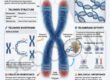
Your body has a repair crew—enzymes like PARP1 and DNA ligase—that stitch your broken chromosomes back together.
When does the repair crew clock in? Only when you sleep.
Specifically, during slow-wave sleep, your body downregulates energy-intensive processes (such as digestion and movement) and upregulates repair mechanisms. If you cut your sleep short, you cut the repair process short. Those single-strand breaks in your DNA become double-strand breaks, which are far harder to fix and accelerate aging dramatically.
Wakefulness is a Low-Grade Stressor
From an evolutionary standpoint, being awake is a state of stress. You are processing threats, seeking food, and metabolizing energy. Your body releases cortisol and adrenaline to keep you going.
Sleep is the antidote. It lowers cortisol. It raises melatonin (which isn’t just for sleep; it is a powerful antioxidant that specifically protects mitochondria).
When you sleep poorly for weeks or years, you live in a state of chronic, low-grade inflammation. Your inflammatory markers (such as IL-6 and CRP) remain elevated. You aren’t just “tired.” You are aging faster from the inside out.
The Longevity Protocol: How to Hack Your Nightly Repair
Knowing this changes the priority list of health. Exercise, diet, and supplements are great—but they cannot compensate for a broken sleep cycle.
Here is how to maximize your cellular repair tonight:
- Respect the First Third of the Night
The deepest, most restorative sleep (the glymphatic cleaning phase) happens in the first 3–4 hours. Prioritize going to bed early enough to complete several full 90-minute cycles. 10 PM to 6 AM is biologically superior to 2 AM to 10 AM. - Cool the Room
Your body needs to drop its core temperature by 1–2 degrees to initiate deep sleep. Keep your bedroom between 65–68°F (18–20°C). A hot room blocks the repair switch. - Stop Eating 3 Hours Before Bed
Digestion competes with cellular repair. If your gut is working, your brain isn’t cleaning. A late-night snack disables the “housekeeping” mode. - Light is the Enemy of Detox
Melatonin is the conductor of the repair orchestra. Blue light from screens shuts off melatonin production. Dim the lights 90 minutes before bed. Red light bulbs in the bedroom are a longevity cheat code.
The Bottom Line
You cannot out-supplement, out-exercise, or out-fast a sleep debt. You can take all the NAD+ precursors and antioxidants in the world, but if you don’t allow your glymphatic system to rinse your brain, you are fighting a losing battle.
Longevity isn’t just about adding years to your life; it’s about adding life to your years—a clear mind, high energy, and a body free of chronic inflammation.
And that starts not with a pill, but with a pillow.
Tonight, when you turn off the lights, don’t think of it as “giving up.” Think of it as opening the floodgates for the most powerful detox, repair, and rejuvenation protocol on planet Earth.
You can visit Martlife Detox clinic for a complete body reset.
Sleep well. You’re cleaning house. 😴💧🧬