
Understanding Your IVF Results.
Understanding Your IVF Results: From Positive Beta to Early Pregnancy Care
For many couples undergoing in vitro fertilization (IVF), the most emotional moment comes after embryo transfer — waiting to see whether the treatment worked. When the results finally arrive, patients often hear unfamiliar terms such as beta hCG, doubling levels, or early pregnancy scans. Hence, understanding Your IVF Results is a critical factor in IVF treatment. From Positive Beta to Early Pregnancy Care.
At the Medical Art Center, patients are carefully guided through every stage of the IVF journey — including what happens after a positive pregnancy test. Medical Art Center provides a preconception lecture to all patients on their IVF journey. At this lecture, patients are made to understand all the important stages involved from preconception through IVF and pregnancy testing.
This guide explains what your IVF results mean, what to expect after a positive beta, and how early pregnancy care ensures the best possible outcome.
What Is a “Beta” Test After IVF?
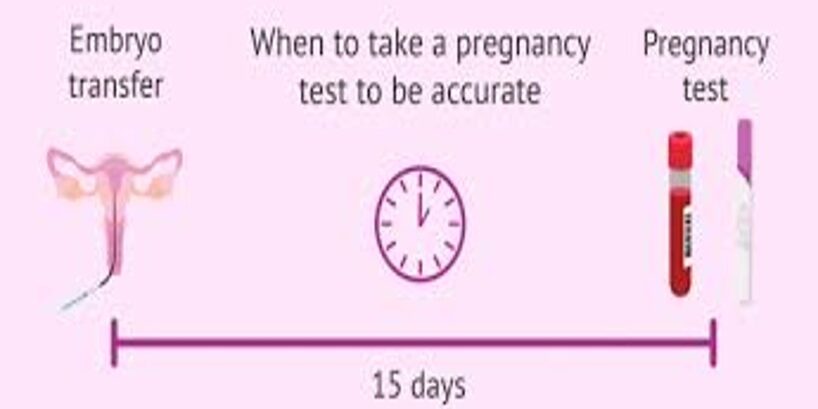
After an embryo transfer, the first pregnancy test is usually a quantitative blood test measuring the hormone human chorionic gonadotropin (hCG).
This test is often called the “beta hCG test”.
The hormone is produced when the embryo successfully implants in the uterus. Unlike home pregnancy tests, the beta test measures the exact amount of hCG in the bloodstream, allowing fertility specialists to confirm early pregnancy and monitor its development.
When Is the Beta Test Done?
Most IVF clinics perform the beta test:
- 9–12 days after embryo transfer (depending on embryo stage)
- Via a simple blood sample
- With results usually available within the same day
A positive beta is the first indication of implantation.
What Is Considered a Good Beta hCG Level?
Beta levels vary widely between pregnancies, so a single number is less important than the pattern of change.
Generally:
| Days After Transfer | Typical Beta hCG Range |
| 9–10 days | 20–100 mIU/mL |
| 11–12 days | 50–200 mIU/mL |
| 14 days | 100–500+ mIU/mL |
The most important indicator of a healthy pregnancy is that hCG levels double approximately every 48–72 hours during the early weeks.
Your fertility specialist will usually repeat the test two to three times to confirm an appropriate hormone rise.
Why Do Doctors Repeat the Beta Test?
A single test cannot determine how the pregnancy is progressing. Repeating the test helps doctors evaluate whether the pregnancy is developing normally.
Doctors look for:
- Doubling hCG levels (healthy early development)
- Slow-rising hCG (possible concern)
- Falling hCG (possible early miscarriage)
In some cases, abnormal hCG patterns may indicate an ectopic pregnancy, where the embryo implants outside the uterus. Early monitoring helps identify and manage such situations quickly.
The Two-Week Wait: Why Symptoms Can Be Misleading
During the waiting period after embryo transfer, many patients experience symptoms such as:
- Mild cramping
- Breast tenderness
- Fatigue
- Bloating
These symptoms may be caused by progesterone medication rather than pregnancy itself.
Therefore, doctors strongly advise avoiding early home pregnancy tests, as they can give misleading results.
The beta blood test remains the most reliable indicator of IVF success.
What Happens After a Positive Beta?
Once pregnancy is confirmed, the next stage involves careful monitoring during the early weeks.
At the Medical Art Center, early pregnancy follow-up typically includes:
1. Repeat Hormone Monitoring
Doctors check:
- Beta hCG levels
- Progesterone levels
- Overall hormonal support
2. Continued IVF Medications
Patients usually continue:
- Progesterone support
- Estrogen (in some cases)
These medications help maintain the uterine lining and support the early pregnancy until the placenta develops.
3. First Pregnancy Ultrasound
The first ultrasound is typically performed 5–6 weeks after pregnancy.
During this scan, doctors confirm:
- Gestational sac in the uterus
- Yolk sac development
- Early fetal heartbeat
This is often the first visual confirmation of pregnancy after IVF.
When Can You Hear the Baby’s Heartbeat?
A fetal heartbeat is usually detected via ultrasound around 6–7 weeks of pregnancy.
Seeing the heartbeat significantly increases the likelihood of a successful pregnancy.
For IVF patients who have often experienced a long fertility journey, this moment can be deeply emotional and reassuring.
Early Pregnancy Care After IVF
Even after a successful beta result, early pregnancy requires specialized monitoring.
Important aspects include:
Nutritional Support
Patients are advised to maintain:
- Prenatal vitamins
- Adequate folic acid
- Balanced nutrition
Lifestyle Recommendations
Doctors may advise:
- Avoiding heavy physical exertion
- Limiting stress
- Avoiding alcohol and smoking
Monitoring for Complications
Early medical supervision helps detect:
- Ectopic pregnancy
- Early miscarriage
- Hormonal insufficiency
Prompt intervention can often protect the pregnancy.
Transitioning From Fertility Care to Obstetric Care
Most fertility clinics continue monitoring until 8–10 weeks of pregnancy. Once the pregnancy is stable, care transitions to a specialist obstetrician for routine antenatal management.
However, the IVF clinic remains available for support throughout the pregnancy.
The Emotional Journey After IVF Success
Receiving a positive IVF result can bring immense joy — but also anxiety.
Many couples feel cautious about celebrating early due to previous fertility challenges.
This emotional transition is normal. Compassionate medical guidance and reassurance help patients move from fertility treatment into confident early pregnancy care.
Expert IVF Care at the Medical Art Center
The Medical Art Center is one of Nigeria’s leading fertility centers, providing advanced assisted reproductive technologies and comprehensive patient support.
With decades of expertise in In Vitro Fertilization, the center guides patients through every stage — from fertility diagnosis to successful pregnancy and beyond.
If you are undergoing IVF or planning treatment, expert care and clear guidance can make every step of the journey more reassuring.