
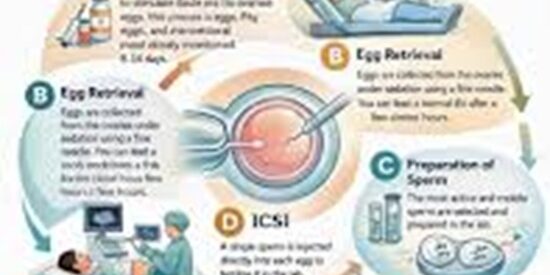
A Day in the Life of an IVF Cycle: What to Really Expect Logistically
If you’re considering IVF, you’re not alone. At Medical Art Center, we understand that the logistics of an IVF cycle can feel overwhelming. This guide walks you through a typical day-by-day flow, what to expect, and practical tips to help you prepare. Clear milestones, realistic timelines, and a compassionate overview—from clinic check-ins to lab days—can reduce stress and improve your experience.
What IVF Is, in Brief
In vitro fertilization (IVF) is a multidisciplinary process combining hormonal therapy, precise monitoring, egg retrieval, laboratory fertilization, and embryo transfer. The goal is to maximize the chance of a healthy pregnancy while ensuring patient safety and comfort.
Multidisciplinary care: reproductive endocrinologists, embryologists, nurses, and coordinators.
Key milestones: ovarian stimulation, egg retrieval, fertilization, embryo development, and transfer.
Personalization: protocols tailored to age, ovarian reserve, and prior responses.
This overview helps set realistic expectations for the daily rhythm of an IVF cycle at Medical Art Center.
Before the Start: Pre-Planning and Scheduling
Initial Consultation**: A thorough medical history review, counseling, and a tailored treatment plan.
Baseline Tests**: Bloodwork, ultrasound, and infectious disease screening.
Medication Preparation**: Self-injected medications (often daily) begun according to your protocol.
Calendar Mapping**: Your fertility team will map out stimulation days, monitoring visits, egg retrieval, and potential transfer dates.
Tips:
Schedule around work and family commitments; most people arrange time off for monitoring and procedures.
Build a support system: partner, family member, or friend to accompany you to appointments.
Bring a list of current medications, supplements, and allergies.
Day 1–14: Ovarian Stimulation and Monitoring
The honeymoon of IVF is stimulation—carefully timed shots to encourage multiple eggs to mature.
Medication Routine**: Daily injections or nasal sprays, sometimes oral meds, as prescribed.
Ultrasound Monitoring**: Transvaginal ultrasounds assess follicle growth. Expect multiple appointments over 1–2 weeks.
Blood Tests**: Hormone levels (e.g., estradiol) guide dose adjustments.
Lifestyle Considerations**:
Hydration and balanced meals support your energy.
Minimize strenuous activity as advised by your clinician.
Avoid heavy lifting if instructed by your team.
Logistical tips:
Schedule mornings for monitoring if possible, when you’re least rushed.
Bring a friend or partner for support—some clinics allow you to bring a companion.
Wear comfortable clothing; you may have buttocks or abdominal discomfort after injections.
What success looks like:
Growing cohort of mature follicles (the exact number varies by age and ovarian reserve).
Stable, manageable side effects (bloating, mild cramps, breast tenderness).
Egg Retrieval Day: The Big Milestone
Egg retrieval is a brief outpatient procedure performed under sedation or anesthesia.
Timing**: Usually 34–36 hours after the final trigger shot (hCG or GnRH agonist/antagonist), depending on your protocol.
Procedure**: A transvaginal ultrasound-guided needle retrieves eggs from mature follicles.
Recovery**: Short rest period in the clinic; most people resume light activity within 24 hours.
Pain Management**: Expect mild cramping; prescribed medications can help.
What to bring to retrieval day:
Comfortable clothing, a driver if you’re sedated, and any comfort items (a small pillow, water).
Aftercare:
Avoid strenuous activity for a few days.
Sleep upright if you feel uncomfortable due to gas or bloating.
Follow clinic instructions for medications post-retrieval.
Fertilization, Embryo Culture, and Transfer
Fertilization**: Eggs are mixed with sperm. In some cases, ICSI (intracytoplasmic sperm injection) is used.
Embryo Culture**: Embryos are cultured for 3–5 days (or longer if blastocyst transfer is planned).
Assessment**: Embryologists grade quality and development to decide the best embryo(s) for transfer or freezing.
Embryo Transfer**:
Fresh transfer typically occurs 3–5 days after retrieval.
The procedure is brief and non-surgical, guided by ultrasound.
Cryopreservation**: Extra good-quality embryos can be frozen for future cycles (both for single transfer strategies and to increase cumulative live birth rates).
Logistics:
Time of day for transfer varies; some clinics schedule mornings to afternoons.
You may be asked to abstain from heavy exercise for a short period around transfer.
Most people require only light sedation or even none for the transfer; check with your clinic.
Important note: If you’re pursuing a freeze-all strategy, you’ll avoid a fresh transfer and plan for a later embryo transfer cycle.
Aftercare and Early Pregnancy Steps
Pregnancy Test Window**: Usually about 9–14 days after transfer.
HCG Monitoring**: If positive, your clinic will guide you through early pregnancy care; if negative, discuss next steps and future options.
Medications**: Progesterone support is often continued for several weeks after a successful transfer.
Lifestyle**: Gentle activity, balanced nutrition, and adequate rest. Avoid smoking and limit alcohol.
Common questions:
What if I don’t feel pregnant right away? Early pregnancy at this stage can be subtle; a blood test confirms status.
How long should I wait before trying again if not successful? Your clinic will provide a personalized plan; many patients return after a full cycle, often in line with ovarian reserve and age.
Common Hurdles and How We Help
Emotional Fatigue**: IVF is emotionally demanding. We offer counseling, support groups, and stress-reduction resources.
Physical Discomfort**: Bloating, soreness, and fatigue are common. Our nursing team provides guidance on self-care and pain management.
Financial Planning**: Transparent pricing, financing options, and savings plans can ease stress.
Logistical Conflicts**: Coordinators help align appointments with work and family schedules.
Uncertain Response**: If stimulation yields a low number of eggs, we adjust strategies and discuss alternative options.
At Medical Art Center, you’re supported by a dedicated care team that communicates clearly, offers flexible scheduling, and uses evidence-based protocols tailored to your needs.
Tips to Optimize Your IVF Day-To-Day
Create a dedicated IVF folder with:
Appointment confirmations
Medication schedules
Pharmacy receipts
Contact numbers for your care team
Maintain a simple daily routine:
Consistent meals and hydration
Light activity and rest as advised
Gentle mindfulness or breathing exercises to reduce anxiety
Plan for transportation:
Some procedures involve sedation; arrange a ride home
Build your support network:
Partner, friend, or family member to attend appointments and provide comfort
Keep a symptom journal:
Note mood, bloating, pain, and energy levels to share with your clinician
SEO-friendly tip: Use clear headings, bullet lists, and recurring keywords such as “IVF cycle logistics,” “IVF day schedule,” “egg retrieval process,” “embryo transfer steps,” and “Medical Art Center IVF.”
Why Medical Art Center?
Evidence-based protocols tailored to individual profiles.
A compassionate, patient-centered care team including physicians, embryologists, and nurses.
Transparent communication, flexible scheduling, and robust patient education resources.
Access to the latest IVF technologies, including advanced culture systems and embryo assessment.
Comprehensive support: emotional well-being resources and financial planning assistance.
If you’re starting your IVF journey, Medical Art Center is committed to guiding you with clarity, empathy, and clinical excellence every step of the way.
Frequently Asked Questions
How long does an IVF cycle take from start to finish?
Most cycles span 2–6 weeks from the start of stimulation to embryo transfer or confirmation of a negative result, depending on the protocol and response.
Do I need to travel for egg retrieval?
Egg retrieval is performed at the clinic; some patients travel for treatment if they’ve chosen a specific center, but many stay local.
What’s the difference between fresh vs. frozen embryo transfer?
Fresh transfers occur in the same cycle as retrieval; frozen transfers occur in a subsequent cycle, often with a controlled endometrial environment that can improve implantation rates.
Are there risks I should know about?
As with any medical procedure, risks exist but are minimized by close monitoring. Common concerns include ovarian hyperstimulation syndrome (OHSS) and infection risk, both of which are mitigated by experienced teams and strict safety protocols.
How can I improve my chances?
Personalization, quality lab conditions, proper luteal support, and emotional resilience all contribute. Your clinician will tailor steps to your unique situation.
Final Thoughts
A well-managed IVF journey hinges on clear communication, careful scheduling, and a supportive clinical team. At Medical Art Center, we aim to transform complexity into clarity, helping you understand each day-to-day step of an IVF cycle and what you can realistically expect logistically.
If you’d like more information or to schedule a consultation, visit our website at https://www.medicalartcenter.
Related Resources
IVF Protocols: How We Tailor Treatments
Understanding Embryo Grading and Selection
Frozen Embryo Transfers: What to Expect
For ongoing updates and patient stories, follow Medical Art Center on our official channels.
Sure—here’s a continuation to deepen the article, keep SEO-friendly, and add practical detail.
What Happens Behind the Scenes: Lab Day Insights
Understanding the lab side can demystify the process and reduce anxiety about the unknown.
Egg Handling**: Eggs are carefully collected and identified, then prepared for fertilization under strict lab conditions.
Sperm Preparation**: Sperm samples are processed to select the best quality for fertilization.
Fertilization Methods**: Conventional IVF or ICSI (intracytoplasmic sperm injection) depending on semen parameters.
Embryo Watch**: Embryologists monitor cell division, fragmentation, and development patterns to choose the best candidates.
Quality Assurance**: Labs follow standardized protocols, with internal quality controls and periodic audits to ensure consistency.
Practical tips:
Ask your care team to explain any lab-related terms you don’t understand.
If you’re curious about embryo grading criteria, request a simple visual explanation or literature from your embryology team.
What to Pack and Prepare for Each Visit
A little planning goes a long way. Here’s a practical packing list for common IVF visit types:
General monitoring visits:
Photo ID and insurance card
Comfortable clothing, a light jacket
Water bottle, small snack
Egg retrieval day:
Driver or safe ride home
A pillow for comfort, a soothing entertainment option (book, headphones)
Slip-on shoes to accommodate gowns or slippers
Embryo transfer day:
A small personal item for comfort
Any medications your nurse instructed you to bring
Post-transfer days:
Light meals, easy-to-digest snacks
Comfortable walking shoes for gentle activity
Clinic communication tip:
Create a single master document with appointment times, test results, and medication changes, and share it with your partner or support person.
Dietary and Lifestyle Guidance During IVF
Nutrition and lifestyle can influence how you feel and your body responds.
Hydration: Aim for consistent fluid intake unless advised otherwise.
Balanced meals: Emphasize lean proteins, whole grains, fruits, vegetables, and healthy fats.
Caffeine and alcohol: Some clinics advise limiting caffeine; alcohol is usually discouraged during stimulation and after transfer.
Sleep and stress: Prioritize regular sleep and stress-reduction practices such as mindfulness or gentle yoga.
Exercise: Moderate activity is typically encouraged, but avoid high-intensity workouts if your clinician recommends limit on stimulation days.
Note: Always align with your specific medical plan; your physician may tailor these recommendations.
Understanding Financial Options and Insurance
IVF is a significant investment, and many patients benefit from proactive planning.
Treatment costs: Consult for a detailed, itemized estimate covering monitoring, meds, retrieval, lab work, and transfer.
Financing and discounts: Many centers offer financing plans, bundled packages, or seasonal promotions.
Insurance coverage: Some plans include limited fertility benefits; verify with your provider and your clinic’s billing team.
Contingency plans: Discuss plans for unforeseen needs (additional cycles, cryopreservation, or additional genetic testing).
Action steps:
Schedule a financial counseling session with the clinic to map out out-of-pocket costs and payment options.
Inquire about crowdfunding or patient assistance programs if eligible.
Emotional and Mental Health Support
IVF can trigger a wide range of emotions. Medical Art Center emphasizes holistic care.
On-site or partner resources: Access to counselors, support groups, and stress-management workshops.
Communication strategies: Regular updates and transparent conversations help you feel informed and involved.
Mind-body techniques: Breathing exercises, progressive muscle relaxation, and guided imagery can ease anxiety around injections and procedures.
If you’re feeling overwhelmed, reach out to your care team promptly. You’re not alone, and support is available.
Patient Stories: What Real Life Looks Like
Hearing from others who have walked this path can be reassuring.
Expectation vs. reality: While every cycle is unique, many patients report relief from planning clarity once the schedule is laid out.
Small wins: Noting the growth of follicles and stable labs can provide motivation.
The value of a trusted team: Consistent communication and a dedicated nurse coordinator often make a meaningful difference in day-to-day comfort.
Would you like to read a few anonymized patient journeys from Medical Art Center? I can summarize them or weave them into a dedicated “Patient Voices” section.
How Medical Art Center Supports You Throughout the Day
Dedicated care coordinators to align appointments with your life.
Same-day or near-real-time updates on test results and plan changes.
Flexible scheduling and virtual consultations when appropriate.
Comprehensive education materials, including home-use guides and quick-reference checklists.
Quick Reference: IVF Day-to-Day Timeline (Example)
Week 1: Baseline tests, start stimulation meds, first monitoring visit.
Week 2: Increased monitoring, dose adjustments, trigger shot planned.
Egg retrieval: Outpatient procedure with sedation; anesthesia recovery.
Day 0–5 post-retrieval: Embryo fertilization and culture; phone or portal updates on development.
Day 3–5: Possible embryo transfer or freeze-all decision; if freeze-all, planning for next cycle.
2 weeks after transfer: Pregnancy test; plan for luteal support and next steps.
Note: Timelines vary by protocol, age, ovarian reserve, and response.
Ready to Take the Next Step?
If you’re preparing for an IVF cycle or considering starting treatment, Medical Art Center is here to guide you with clarity, compassion, and evidence-based care. For more information or to schedule a consultation, visit:
Website: https://www.medicalartcenter.
Contact: mailto:info@medicalartcenter.
Related Resources
IVF Protocols: How We Tailor Treatments
Understanding Embryo Grading and Selection
Frozen Embryo Transfers: What to Expect
Financial Planning for IVF: A Patient Guide