Fibroids and Fertility: A Complete Guide
Introduction: How Common Are Fibroids?
Fibroids are a well-known medical fact for most women. They affect around 30% of women by age 35 and 20-80% by age 50. These non-cancerous growths usually develop during the reproductive years (ages 16-50), when estrogen levels are highest. In the past, women often completed their families earlier. Today, many start families in their thirties or forties. This shift makes understanding the link between fibroids and fertility very important.
How Do Fibroids Affect Fertility?
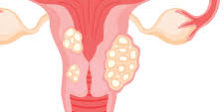
Many women have fibroids that do not impact their chances of having children. However, certain fibroids can profoundly affect the ability to conceive, stay pregnant, and carry a baby to term. Their location and size are key factors.
Fibroids can hinder fertility by:
-
Changing the cervix shape, which affects sperm entry.
-
Blocking the Fallopian tubes, preventing egg and sperm from meeting.
-
Altering the uterine shape, reducing space for an embryo to implant and grow.
-
Weakening the uterine lining or reducing blood supply, which can lead to miscarriage.
Fibroid Prevalence in Nigeria
Estimates vary by region and detection method. Ultrasound studies in South-West Nigeria show a prevalence of about 6-8% in asymptomatic women. Higher rates (13-26%) have been reported in eastern regions like Ebonyi, Edo, and Enugu States.
What Causes Fibroids?
The exact cause is unknown, but several risk factors are linked to their development:
-
Childbirth History: Having fewer than two children may increase risk.
-
Alcohol Consumption: Studies, particularly in Black women, link alcohol (especially beer) to higher fibroid risk.
-
Dietary Factors: Inadequate fruit intake (less than two servings daily) may increase chances. Citrus fruits grown in your local environment are beneficial.
-
Early Menarche: Starting menstruation before age 11 raises risk compared to after age 13.
-
Vitamin D Deficiency: This vitamin helps regulate cell growth and limit fibrous tissue.
-
Prenatal Exposures: Exposure to synthetic estrogen (DES) or maternal diabetes in the womb can increase risk.
-
Hair Relaxers: These may contain hormonally disruptive chemicals (phthalates) linked to fibroids.
-
Stress: Major life events can alter hormones and encourage fibroid growth.
-
Genetics: African American women have a significantly higher risk than Caucasian women.
The most determining factor is likely unopposed estrogen action in the body.
Illustrative Case Studies
Case 1: Infertility with a Small Fibroid
A 30-year-old woman presented with three years of infertility. Evaluation revealed a low sperm count and a small (1.0mm) submucous fibroid. Doctors did not recommend fibroid removal. Instead, they performed IVF with ICSI due to the sperm issue. The treatment was successful, resulting in the birth of a baby boy.
Case 2: Symptomatic Fibroids
A 43-year-old mother of four presented with severe fatigue due to years of heavy, painful periods and noticeable abdominal swelling. Examination and ultrasound revealed two large fibroids and anemia (low blood count). She received a blood transfusion and was scheduled for surgery.
Diagnosis and Treatment Overview
Fibroids are benign tumors of the uterine muscle. Many women have no symptoms. When symptoms occur, they include heavy bleeding, pain, abdominal swelling, and frequent urination.
Diagnosis involves a physical exam and imaging like ultrasound or MRI.
Treatment is highly individualized, based on:
-
Symptom severity
-
Fibroid size, number, and location
-
Patient age and desire for future pregnancy
Treatment options include:
1. Medical Management:
-
Watchful Waiting: Monitoring if symptoms are mild.
-
Medications: Anti-hormonal agents (like LHRH analogs, e.g., Lupron) can shrink fibroids by up to 50-75%.
2. Surgical & Procedural Options:
-
Myomectomy: Surgical removal of fibroids while preserving the uterus for future pregnancy. This can be done via hysteroscopy, laparoscopy, or laparotomy.
-
Hysterectomy: Removal of the uterus for women who have completed their families.
-
Uterine Artery Embolization (UAE): A non-surgical procedure that blocks blood supply to shrink fibroids.
3. Fertility Solutions for Severe Cases:
If the uterus cannot sustain a pregnancy, Gestational Surrogacy is an option. In this process, the couple’s egg and sperm create an embryo, which is then transferred to a gestational carrier.
Conclusion and Key Takeaway
Fibroids are a common condition with a variable impact on fertility. Not all fibroids require treatment. A thorough evaluation by a specialist is crucial to create a personalized plan based on your symptoms, fibroid characteristics, and fertility goals. The right approach can successfully manage symptoms and help achieve a healthy pregnancy.