Understanding Your Follicle Scan and Hormone Results: A Patient’s Guide
If you’re undergoing fertility evaluation or treatment, terms like follicle scan, estradiol, and AMH can feel overwhelming. At Medical Art Center, we believe that understanding your results is the first step toward feeling empowered on your journey. This guide will explain what your follicle scan and hormone tests mean, in clear, simple language.
What Is a Follicle Scan?
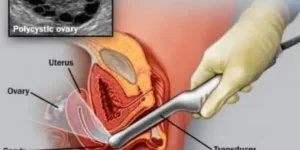
A follicle scan, or transvaginal ultrasound, is a painless, internal ultrasound used to monitor your ovaries during your menstrual cycle. It allows our specialists to see and measure the follicles—small fluid-filled sacs in your ovaries that each contain an immature egg.
What We Look For:
- Follicle Count & Size: We track the number and growth of follicles. In a natural cycle, usually one follicle becomes dominant and releases an egg (ovulation). In fertility treatments, we may aim to induce multiple follicle development.
- Follicle Size: Measured in millimeters (mm). Typically, a follicle needs to reach about 18–25 mm to be mature enough for ovulation.
- Endometrial Lining: The scan also checks the lining of your uterus (endometrium). A healthy, trilaminar (three-layer) lining of 7–14 mm is ideal for embryo implantation.
Key Hormone Tests and What They Mean
Hormones act as messengers in your reproductive system. Here are the most common ones we measure and why they matter:
1. Follicle-Stimulating Hormone (FSH)
- What it is: Produced by the pituitary gland, FSH stimulates follicle growth in the ovaries.
- What your result means: High FSH levels (especially on day 3 of your cycle) can indicate diminished ovarian reserve, meaning the ovaries may need more stimulation to produce eggs. Lower levels are generally preferable.
2. Estradiol (E2)
- What it is: The primary form of estrogen, produced mainly by the developing follicles.
- What your result means: Rising estradiol levels correlate with follicle growth. If it’s too high too early in the cycle, it might suppress FSH and affect follicle development. It also helps prepare the uterine lining.
3. Luteinizing Hormone (LH)
- What it is: Also from the pituitary gland, LH triggers ovulation—the release of the egg from the follicle.
- What your result means: A sudden surge in LH indicates ovulation is about to occur (in 24–36 hours). We monitor this closely to determine the timing of insemination or egg retrieval.
4. Anti-Müllerian Hormone (AMH)
- What it is: A hormone produced by the small, early-stage follicles in your ovaries.
- What your result means: AMH is a key indicator of your ovarian reserve—your remaining egg supply. A higher AMH suggests a greater reserve, while a lower AMH may indicate a reduced reserve. It helps us personalize your treatment protocol.
5. Progesterone
- What it is: A hormone that rises after ovulation to support the uterine lining for potential pregnancy.
- What your result means: Measured after ovulation, adequate progesterone confirms that ovulation occurred and that the luteal phase (post-ovulation) is supportive. Low levels might require supplementation.
How These Results Work Together
Think of your fertility cycle as a symphony—each hormone and scan result is an instrument that must play in harmony.
- Early Cycle (Day 2–5): We assess FSH, Estradiol, and AMH to determine baseline ovarian reserve and plan medication dosages.
- Mid-Cycle (During Treatment): Follicle scans track follicle growth, while Estradiol levels confirm they are maturing properly. We may check LH to detect the surge.
- Pre- and post-ovulation: Ultrasounds confirm follicle size for trigger timing. Progesterone is checked after ovulation to assess luteal phase health.
A Sample Scenario: Understanding Your Report
You might see something like this:
Cycle Day 3: FSH: 8.2 mIU/mL, E2: 45 pg/mL, AMH: 2.1 ng/mL
Cycle Day 12 Scan: 3 follicles (16mm, 18mm, 20mm), Lining: 8.5 mm
Interpretation: Your Day 3 hormone levels suggest normal ovarian reserve. By Day 12, you have three nicely growing follicles, with one nearing maturity, and a receptive uterine lining—excellent signs for timed intercourse, IUI, or upcoming egg retrieval.
Common Questions Answered
Q: What does it mean if I have a few follicles on my scan?
A: Follicle count per cycle can vary. A lower-than-expected count may be attributable to age, ovarian reserve, or the current cycle. Your AMH and FSH help provide the bigger picture. We adjust treatment protocols accordingly.
Q: Can my hormones change from cycle to cycle?
A: Yes, some variation is normal, especially for FSH and estradiol. AMH is more stable. We look at trends alongside scan findings.
Q: What if my progesterone is low after ovulation?
A: This is common and treatable. We often prescribe progesterone supplements (vaginal gels, pills, or injections) to support the luteal phase and improve implantation chances.
Your Next Steps at Medical Art Center
- Personalized Review: We meet with you to explain every result and how it informs your individualized treatment plan.
- Tailored Protocol: Whether it’s ovulation induction, IUI, or IVF, your medication type and dosage are customized based on these findings.
- Continuous Monitoring: We use ongoing scans and hormone checks to adjust your plan in real time, ensuring the safest and most effective path forward.
Remember: Your results are not just numbers—they are a roadmap. Understanding them helps you become an active, informed partner in your care.
At Medical Art Center, we combine cutting-edge technology with compassionate care to guide you every step of the way. If you have questions about your results or are ready to take the next step, contact us today to schedule a consultation.