
Hysteroscopy and Laparoscopy: Illuminating the Path to Answers and Treatment
For many individuals and couples, persistent symptoms or difficulty conceiving can be a frustrating journey of unanswered questions. When standard tests like ultrasounds or bloodwork don’t reveal the full picture, diagnostic surgery becomes a crucial tool. At Medical Art Center, we specialize in two of the most precise and minimally invasive techniques available: hysteroscopy and laparoscopy. Together, they act as a high-definition lens into the female reproductive system, uncovering hidden causes and often providing treatment in the same procedure.
What is Hysteroscopy? A Direct View of the Uterine Cavity
Hysteroscopy is a minimally invasive procedure designed to diagnose and treat problems inside the uterus. It is considered the gold-standard technique for evaluating the uterine cavity.
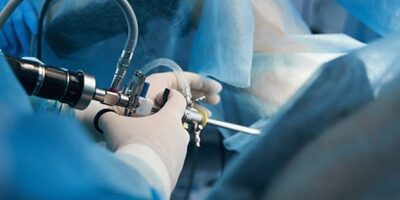
How it works: A thin, lighted telescope called a hysteroscope is gently passed through the vagina and cervix into the uterus. To allow for clear visualization, the uterus is distended with a sterile fluid. This gives our surgeons a direct, real-time view of the endometrial lining, the shape of the uterine cavity, and the openings to the fallopian tubes.
What it can uncover:
- Structural Abnormalities: Such as a uterine septum (a band of tissue dividing the cavity), polyps, or submucosal fibroids.
- Adhesions: Scar tissue within the uterus (Asherman’s syndrome) that can affect menstrual flow and fertility.
- Causes of Abnormal Bleeding: It can identify the source of heavy or irregular bleeding, such as polyps or hyperplasia.
A significant advancement is the “see-and-treat” strategy, often possible during an office hysteroscopy. This means if a polyp or small fibroid is identified, it can frequently be removed during the same procedure, avoiding a separate surgery.
What is Laparoscopy? Exploring the Pelvic Landscape
While hysteroscopy looks inside the uterus, laparoscopy provides a panoramic view of the external pelvic and abdominal organs. It’s a cornerstone of modern minimally invasive surgery.
How it works: A small incision is made near the navel, and the abdomen is gently inflated with carbon dioxide gas. This creates space to maneuver. A laparoscope—a slender instrument with a high-resolution camera—is then inserted. Additional tiny (0.5-1 cm) incisions may be made to introduce specialized surgical instruments.
What it can uncover:
- Endometriosis: This is a primary diagnostic use. Laparoscopy is the most reliable way to identify and often treat endometriosis implants and associated scar tissue.
- Pelvic Adhesions: Scar tissue that can bind organs together (ovaries, tubes, bowel), often caused by past infection or endometriosis.
- Tubal Factors: It can assess if fallopian tubes are open, healthy, or blocked by disease or prior sterilization.
- Ovarian Conditions: Such as cysts that may not resolve on their own.
- Uterine Fibroids: Those on the outside of the uterus (subserosal) can be clearly visualized.
Hysteroscopy vs. Laparoscopy: A Complementary Approach
These procedures are not alternatives but are often used together to provide a complete diagnostic picture. They are particularly powerful in a combined fertility workup.
| Feature | Hysteroscopy | Laparoscopy |
| Primary Focus | Interior of the uterus (endometrial cavity) | Exterior of pelvic organs (uterus, tubes, ovaries) and abdominal cavity |
| Common Diagnostic Findings | Polyps, fibroids (submucosal), uterine septum, adhesions, abnormal lining | Endometriosis, pelvic adhesions, tubal blockages, ovarian cysts, external fibroids |
| Access Point | Through the vagina and cervix (no abdominal incision) | Through small incisions in the abdominal wall |
| Typical Setting | Often performed in an office or outpatient setting | Performed in an operating room, usually under general anesthesia |
| Key Role in Fertility | Ensures the uterine cavity is optimal for embryo implantation | Evaluates and treats conditions affecting egg release, pick-up, and transport |
Am I a Candidate for Diagnostic Surgery?
Your physician at Medical Art Center may recommend one or both of these procedures if you are experiencing:
- Unexplained infertility
- Recurrent pregnancy loss
- Persistent pelvic pain or painful periods
- Abnormal uterine bleeding that is unresolved by other treatments
- Suspected structural issues identified on ultrasound or HSG (hysterosalpingogram)
Factors like age, type of suspected issue, and overall health help guide the personalized decision on which procedure is most appropriate for you. For instance, office hysteroscopy may be an excellent first step for suspected intrauterine issues, while laparoscopy is essential for diagnosing endometriosis.
Recovery and Expectations
Both procedures are celebrated for their minimally invasive nature, which translates to significant benefits compared to traditional open surgery:
- Less post-operative pain
- Smaller incisions and minimal scarring
- Shorter hospital stays (often same-day discharge)
- Faster recovery and return to normal activities
After a laparoscopy, some shoulder-tip pain from the gas or abdominal bloating is common and typically resolves within a day or two. Your care team will provide detailed aftercare instructions to support a smooth recovery.
The Medical Art Center Approach: Precision and Compassion
At Medical Art Center, we integrate the latest evidence-based techniques with a deep commitment to patient-centered care. Our skilled surgeons are experts in advanced hysteroscopic and laparoscopic procedures. We utilize state-of-the-art technology, including modern hysteroscopic tissue retrieval systems that can make the removal of polyps and fibroids more efficient.
We understand that undergoing a procedure can create anxiety. Our team prioritizes your comfort and clarity, from the initial consultation through your recovery, ensuring you feel informed and supported at every step.
If you’ve been searching for answers behind persistent symptoms or infertility, diagnostic hysteroscopy and laparoscopy can provide the clarity needed to move forward with an effective treatment plan. To discuss whether these procedures might be right for you, contact Medical Art Center to schedule a consultation with one of our specialist physicians.