Uterine Fibroids: A Comprehensive Guide to Symptoms and Treatment
Uterine fibroids are a common health concern for many women, but they are often misunderstood. If you’re experiencing symptoms like heavy periods or pelvic pressure, it’s essential to have clear, accurate information.
At the Medical Art Center, we specialize in providing evidence-based care and empowering you with the knowledge to make the best decisions for your health.
What Are Uterine Fibroids?
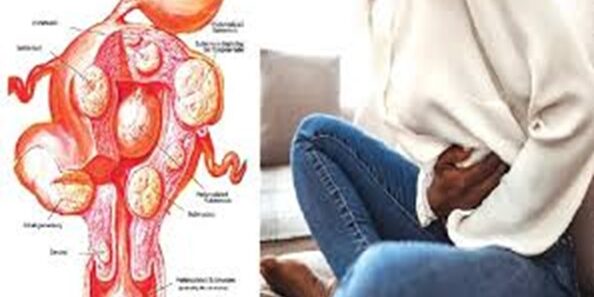
Uterine fibroids (also known as leiomyomas or myomas) are non-cancerous tumors that grow in or on the wall of the uterus. They can be as small as a seed or as large as a grapefruit, and you can have a single fibroid or multiple.
Fibroids are classified by their location, which influences the symptoms they cause and the treatment options available:
-
Intramural Fibroids: The most common type, embedded within the uterine muscle wall.
-
Submucosal Fibroids: Found just under the inner lining of the uterus; these are most likely to cause heavy menstrual bleeding and fertility challenges.
-
Subserosal Fibroids: Located on the outer wall of the uterus, often pressing on surrounding organs.
-
Pedunculated Fibroids: Grow on a stalk, either inside or outside the uterus.
Recognizing the Symptoms of Fibroids
Many women with fibroids have no symptoms at all. However, for others, fibroids can significantly impact daily life. Common signs and symptoms include:
-
Heavy or Prolonged Menstrual Bleeding (menorrhagia), sometimes with clots
-
Severe Pelvic Pain or Pressure
-
Frequent Urination or difficulty emptying your bladder
-
Constipation or Bloating
-
Backache or Leg Pains
-
Pain During Intercourse
-
An Enlarged Uterus that can make you look pregnant
-
Reproductive Challenges, including infertility or pregnancy loss (in some cases)
When to See a Doctor: If you experience persistent pelvic pain, unusually heavy periods, bleeding between periods, or difficulty with bladder/bowel function, it’s time to seek a professional evaluation.
What Causes Fibroids? Understanding the Risk Factors
While the exact cause remains unknown, research points to several key factors that influence their development:
-
Hormones: Estrogen and progesterone, the hormones that regulate the menstrual cycle, appear to promote fibroid growth.
-
Genetics: A family history of fibroids significantly increases your risk.
-
Ethnicity: Black women are disproportionately affected, developing fibroids at a younger age and with more severe symptoms.
-
Other Factors: Obesity, a diet high in red meat, and vitamin D deficiency have been linked to a higher risk of developing fibroids.
How Are Fibroids Diagnosed?
Fibroids are often first detected during a routine pelvic exam. If your doctor suspects fibroids, they may recommend one or more of the following tests:
-
Pelvic Ultrasound: The most common imaging test, using sound waves to create a picture of your uterus.
-
MRI (Magnetic Resonance Imaging): Provides a highly detailed view, mapping the size, number, and location of fibroids—crucial for planning treatment.
-
Hysteroscopy: A thin, lighted scope is inserted through the cervix to view the inside of the uterus.
Your Treatment Options: A Range of Approaches
The right treatment for you depends on your symptoms, the size and location of your fibroids, your age, and whether you wish to have children in the future.
1. Watchful Waiting
If your fibroids are small and asymptomatic, “watchful waiting” with regular monitoring may be all that’s needed.
2. Medication
Medications can help manage symptoms but do not eliminate fibroids.
-
For Heavy Bleeding: Non-hormonal options like Tranexamic Acid or hormonal options like Progestin-releasing IUDs.
-
For Pain: Over-the-counter NSAIDs (e.g., Ibuprofen).
-
To Shrink Fibroids: GnRH agonists (temporary use to relieve symptoms or before surgery).
3. Non-Surgical & Minimally Invasive Procedures
-
Uterine Artery Embolization (UAE): Cuts off blood supply to the fibroids, causing them to shrink.
-
MRI-Guided Focused Ultrasound: A completely non-invasive procedure that uses ultrasound waves to destroy fibroid tissue.
-
Hysteroscopic Myomectomy: For submucosal fibroids, a surgeon removes them through the cervix without any incisions.
4. Surgical Options
-
Myomectomy: A surgery to remove fibroids while preserving the uterus. This is the preferred option for women who wish to have children. It can be performed laparoscopically, robotically, or through an open abdominal incision.
-
Hysterectomy: The surgical removal of the uterus. This is the only definitive cure for fibroids but ends fertility. It is typically recommended for women with very large fibroids or severe symptoms who have completed their families.
How the Medical Art Center Can Help You
Navigating a fibroid diagnosis can feel overwhelming. At the Medical Art Center, we are with you every step of the way. Our patient-centered approach includes:
-
🧬 Comprehensive Diagnosis: We use advanced imaging to precisely map your fibroids and understand their impact.
-
🗓️ Personalized Treatment Plans: We don’t believe in one-size-fits-all care. We discuss all options with you, aligning treatment with your personal health goals—whether that’s preserving fertility or finding lasting relief. pornstar venus3444
-
⚕️ Expert Surgical Care: Our surgeons are highly skilled in the latest minimally invasive and fertility-sparing techniques, including laparoscopic and robotic myomectomy.
-
🤝 Empathetic Support: We take the time to ensure you feel heard, informed, and confident in your care plan.
Take the Next Step Toward Relief
You don’t have to live with the pain and disruption of fibroids. Contact the Medical Art Center today to schedule a consultation with our specialist team.
-
📞 Call Us: [Insert Phone Number]
-
🌐 Schedule Online: www.medicalartcenter.com/appointment
-
📍 Visit Our Website: www.medicalartcenter.com for more information and patient resources.
💬 Follow us on social media for more women’s health insights and updates from our clinic!