
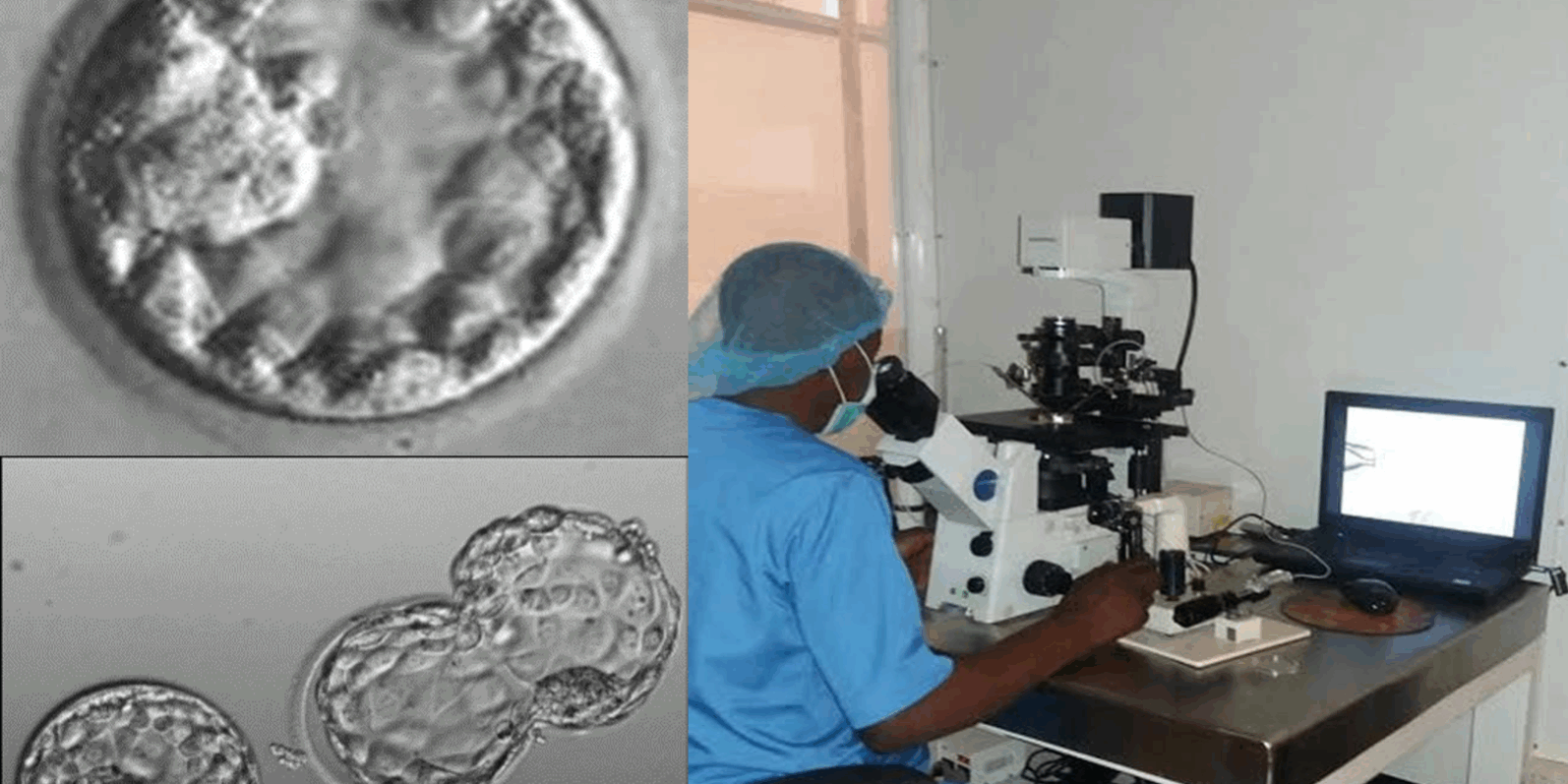
The Science of Embryo Selection: How We Choose the Best Embryo for Transfer
Introduction
At the Medical Art Center, we believe that every life begins with science — and precision. In modern In Vitro Fertilization (IVF), one of the most crucial decisions determining success is which embryo to transfer. This choice directly impacts the likelihood of achieving a healthy pregnancy.
Thanks to advancements in embryology and reproductive genetics, selecting the best embryo is no longer a guessing game. Here’s a look at the science behind embryo selection and how our experts ensure the best possible outcomes for our patients.
Understanding Embryo Selection in IVF
After fertilization, embryos grow in the laboratory under carefully controlled conditions. Typically, embryologists observe and evaluate these embryos for five to six days before choosing the one(s) most likely to implant successfully.
At this stage, we utilize several scientific criteria to assess embryo quality, structure, and development potential. The process is known as embryo grading — and it’s the foundation of successful IVF treatment.
How We Grade and Select Embryos
At the Medical Art Center, our embryologists use a combination of morphological assessment and advanced technologies to determine embryo quality:
1. Morphological Grading
We grade the embryos based on their appearance under the microscope, particularly:
-
Cell number and symmetry: Healthy embryos have evenly divided, symmetrical cells.
-
Fragmentation rate: The fewer the cell fragments, the higher the embryo’s potential.
-
Blastocyst formation: By day 5 or 6, the best embryos reach the blastocyst stage, indicating a higher likelihood of implantation.
2. Time-Lapse Imaging
We utilize time-lapse embryo monitoring, which allows our embryologists to observe embryos continuously without disturbing their growth. This provides valuable insight into:
-
The speed and pattern of cell division
-
The timing of key developmental milestones
-
Subtle indicators of embryo health invisible to traditional observation
3. Preimplantation Genetic Testing (PGT)
For some couples, especially those with a history of recurrent miscarriage or genetic disorders, we recommend Preimplantation Genetic Testing.
This involves screening embryos for:
-
Chromosomal abnormalities (PGT-A)
-
Specific genetic diseases (PGT-M)
PGT helps identify genetically normal embryos, significantly improving the chance of a healthy pregnancy.
Why Embryo Selection Matters
Embryo selection plays a key role in:
-
Improving IVF success rates
-
Reducing multiple pregnancies by transferring a single high-quality embryo
-
Lowering the risk of miscarriage
-
Ensuring genetic normality and better pregnancy outcomes
By transferring the most viable embryo, we maximize the chances of implantation and the birth of a healthy baby.
Personalized Embryo Selection at Medical Art Center
Every couple’s fertility journey is unique. At Medical Art Center, we combine advanced reproductive technology with personalized care to make embryo selection precise, ethical, and tailored to your specific situation.
Our expert team of embryologists, reproductive endocrinologists, and genetic specialists ensures that each step — from fertilization to transfer — follows the highest international standards of IVF practice.
Conclusion
Choosing the best embryo for transfer is more than just science — it’s an art backed by experience, compassion, and technology. At Medical Art Center, we are committed to helping you achieve your dream of parenthood through scientific excellence and personalized care.
If you’re ready to begin your IVF journey or want to learn more about our embryo selection process, schedule a consultation today at www.medicalartcenter.com.