
Fertility Testing: A Comprehensive Guide for Men and Women
The journey to parenthood isn’t always straightforward. If you’ve been trying to conceive without success, you may be wondering, “Is it time to seek help?” You are not alone. Infertility affects millions, but the good news is that modern fertility testing offers clarity, answers, and a path forward.
At the Medical Art Center, we believe knowledge is power. This guide will help you understand the key signs it’s time for fertility testing, what the process involves for both partners, and how to take that empowering first step.
When to See a Fertility Specialist: 4 Key Signs
Knowing when to seek help is the first step. While every couple is unique, fertility experts mend a fertility evaluation if you recognize any of the following scenarios:
- You’re under 35 and have had unprotected sex for 12 months without conception.
- You’re 35 or older and have been trying for 6 months. Age is a significant factor in fertility, and earlier testing is recommended.
- You or your partner has known risk factors. This includes irregular periods, a history of pelvic inflammatory disease (PID), endometriosis, prior cancer treatment, or a known low sperm count.
- You have experienced two or more miscarriages. Recurrent pregnancy loss is a key reason to seek a specialized evaluation.
Don’t wait. Early testing can identify treatable issues, increasing your chances of success with treatments like IVF, IUI, or medication.
Female Fertility Testing: What to Expect
Fertility testing for women focuses on assessing three critical areas: ovulation, egg supply (ovarian reserve), and the health of the reproductive organs.
Common Female Fertility Tests
- Blood Hormone Tests: These check key hormone levels like FSH, LH, Estradiol, and AMH (Anti-Müllerian Hormone) to evaluate ovarian function and egg reserve.
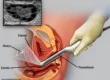
- Transvaginal Ultrasound: This scan allows our specialists to examine your uterus, ovaries, and follicles for conditions like PCOS, fibroids, or ovarian cysts.
- Hysterosalpingogram (HSG): This special X-ray uses a contrast dye to check if your fallopian tubes are open and if the uterine cavity is normal.
What Affects Female Fertility?
Factors like age, hormonal imbalances, lifestyle choices (smoking, weight), and conditions like PCOS or endometriosis can impact fertility. If you have irregular cycles or painful periods, a consultation can provide crucial insights.
Schedule Your Female Fertility Consultation at Medical Art Center
Male Fertility Testing: A Simple, Crucial Step
Male factor infertility contributes to about 40% of all cases. The testing process is straightforward, non-invasive, and provides invaluable information for the couple’s journey.
Common Male Fertility Tests
- Semen Analysis: This is the primary test, evaluating sperm count, motility (movement), and morphology (shape).
- Hormone Blood Tests: Checks testosterone, FSH, and LH levels to rule out hormonal issues.
- Scrotal Ultrasound: Looks for structural issues like varicoceles (enlarged veins in the scrotum) that can affect sperm production.
What Affects Male Fertility?
Sperm health can be influenced by lifestyle factors (diet, heat exposure, smoking), medical history (infections, injuries), and genetic conditions.
Your Results and Next Steps: Finding a Path Forward
After testing, your specialist at Medical Art Center will review all results with you and recommend a personalized treatment plan. Options may include:
- Medication to induce ovulation or correct hormonal imbalances.
- Intrauterine Insemination (IUI), which places prepared sperm directly into the uterus.
- In Vitro Fertilization (IVF) is a highly effective treatment in which eggs are fertilized in our advanced laboratory.
- Lifestyle and Nutritional Counseling to optimize your overall reproductive health.
Fertility Testing FAQs
Q: How long does fertility testing take?
A: The initial round of basic tests for both partners can often be completed within one menstrual cycle.
Q: Is fertility testing painful?
A: Most tests are non-invasive or involve minimal discomfort. Procedures like an HSG may cause brief cramping, but our team ensures you are as comfortable as possible.
Q: What if no cause is found?
A: This is known as “unexplained infertility,” and it’s more common than you think. We can still recommend effective treatments like IUI or IVF to help you conceive.
Q: Should we be tested together?
A: Yes. We highly recommend that both partners undergo initial testing simultaneously. This saves valuable time and provides a complete picture of your fertility as a couple.
Ready for Answers? Take the Next Step Today.
Fertility testing is a proactive and empowering journey toward building your family. It’s not about placing blame—it’s about finding solutions together.
If you’re recognizing the signs, don’t navigate this path alone. Contact the Medical Art Center today to schedule your comprehensive fertility evaluation. Our compassionate and expert team is here to guide you with hope and clarity.
This content is for informational purposes only and is not a substitute for professional medical advice, diagnosis, or treatment. Always consult your physician or other qualified healthcare provider with any questions you may have regarding a medical condition.