Blood Clots: A Guide to Signs, Prevention, and Healthy Management.
By Mart-Life Detox Clinic
Blood clots are your body’s natural Band-Aid, essential for stopping bleeding after an injury. However, when they form unnecessarily inside your veins or arteries, they can become a serious medical emergency. At Mart-Life Detox Clinic, knowledge is the first step to prevention. This guide will help you understand the warning signs, risk factors, and proactive steps you can take to protect your health.
What Exactly is a Blood Clot?
A blood clot (medically known as a thrombus) is a gel-like clump of blood platelets and fibrin protein that forms to plug an injured blood vessel. The problem arises when a clot develops without an injury or fails to dissolve naturally afterward.
These abnormal clots can travel through your bloodstream or grow large enough to block vital blood flow, leading to severe conditions like:
- Deep Vein Thrombosis (DVT): A clot forming in a deep vein, usually in the leg.
- Pulmonary Embolism (PE): A life-threatening condition that occurs when a DVT clot breaks free and travels to the lungs.
- Arterial Clots: Clots in arteries can cause strokes, heart attacks, and severe organ damage.
Recognizing the Warning Signs: Symptoms of a Blood Clot
Knowing these symptoms could save your life. Seek immediate medical attention if you experience any of the following.
Deep Vein Thrombosis (DVT) – Often in the Leg
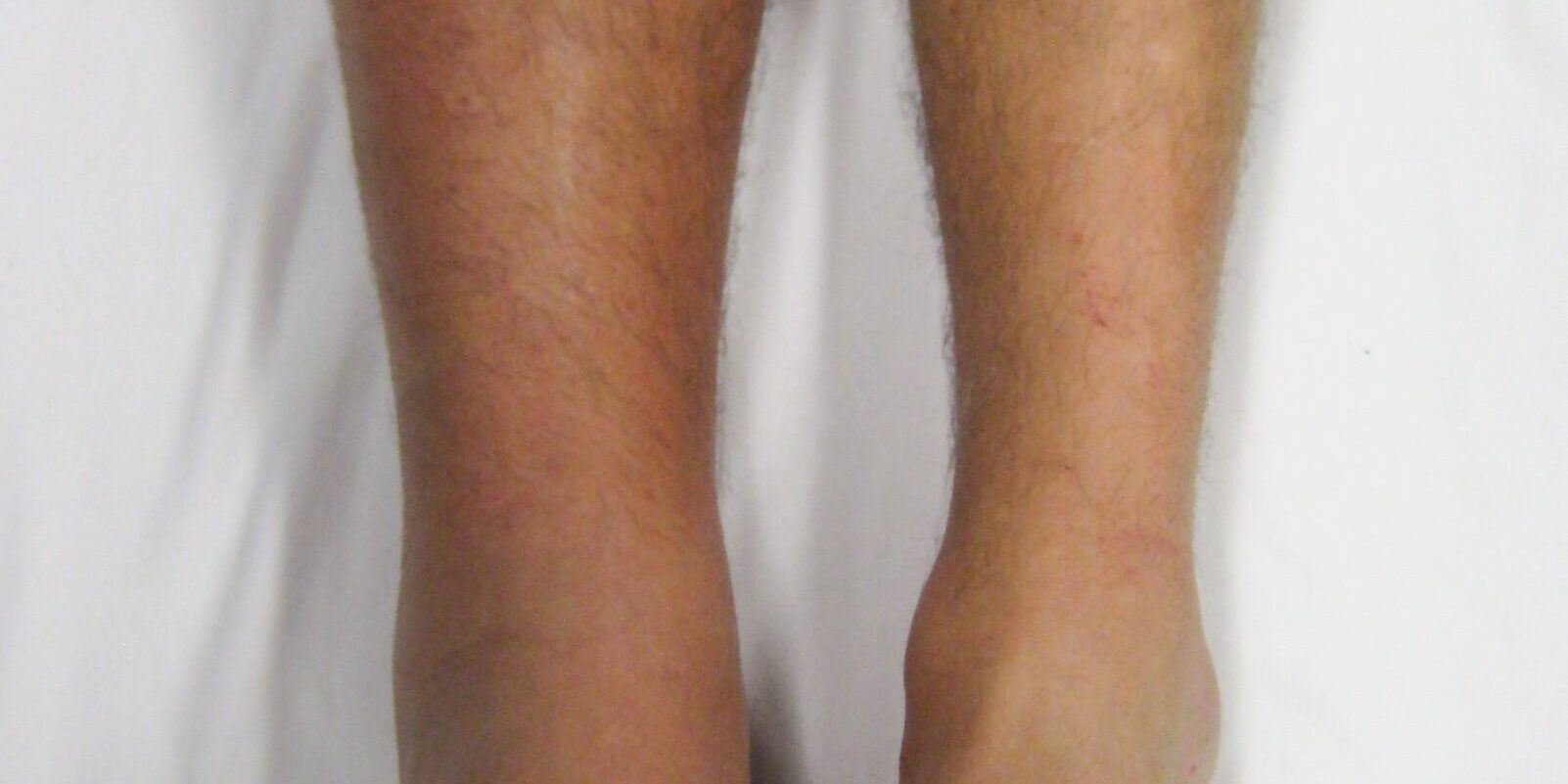
- Swelling: Unexplained swelling in one leg or arm.
- Pain: Tenderness or cramping pain that may worsen when standing or walking.
- Skin Changes: Red or discolored skin that feels warm to the touch.
Pulmonary Embolism (PE) – A Medical Emergency
- Sudden shortness of breath
- Sharp chest pain that may worsen with deep breaths or coughing
- Rapid or irregular heartbeat
- A cough, sometimes accompanied by bloody mucus
- Feeling lightheaded, dizzy, or fainting
Arterial Clots (Stroke or Heart Attack)
- Stroke: Sudden numbness/weakness in the face/arm/leg (especially on one side), confusion, trouble speaking, or vision loss.
- Heart Attack: Chest pain/pressure, pain radiating to the jaw/arm, nausea, and cold sweats.
Are You at Risk? Key Blood Clot Risk Factors
Some risks are unavoidable, but many can be managed through lifestyle choices and medical care.
| Risk Category | Specific Factors |
| Non-Modifiable | Increasing age, personal or family history of clots, genetic disorders (e.g., Factor V Leiden) |
| Health & Lifestyle | Obesity, smoking, cancer, heart or lung disease, diabetes |
| Situational | Major surgery (especially orthopedic), prolonged immobility (long trips, bed rest), pregnancy/postpartum, trauma |
| Medications | Certain birth control pills and hormone replacement therapies |
Proactive Prevention: How to Reduce Your Risk
At Mart-Life Detox Clinic, our core philosophy of holistic wellness aligns perfectly with the prevention of blood clots. Here’s what you can do:
- Stay Active and Avoid Immobility: Get up and move regularly, especially during long flights or car rides. Perform simple leg and ankle exercises if you’re confined to a seat or bed.
- Maintain a Healthy Weight: A balanced diet rich in whole foods (fruits, vegetables, lean proteins) supports vascular health and reduces strain on your circulatory system.
- Don’t Smoke: Smoking damages blood vessel linings, dramatically increasing clot risk.
- Stay Hydrated: Proper hydration prevents blood from thickening and supports healthy circulation.
- Wearing pressure socks helps improve peripheral circulation, which prevents blood stasis.
- Seek Medical Advice: If you have known risk factors (e.g., upcoming surgery, genetic predisposition), talk to your doctor about preventive measures, which may include anticoagulant medication.
How Blood Clots Are Diagnosed and Treated
If a clot is suspected, doctors use a combination of methods for diagnosis:
- Physical Exam: Assessing symptoms and risk factors.
- Imaging: Ultrasound is the standard for diagnosing DVT; CT scans or MRIs may be used for diagnosing PE.
- Blood Tests: Such as the D-dimer test, which detects clot debris in the blood.
Common Treatment Options:
- Anticoagulants (“Blood Thinners”): Medications like warfarin or DOACs prevent existing clots from growing and new ones from forming.
- Thrombolytics (“Clot Busters”): Powerful drugs used in emergencies to quickly dissolve a dangerous clot.
- Surgical Procedures: In severe cases, a clot may be removed via a catheter-based procedure or surgery.
- Supportive Care: Includes compression stockings, pain management, and elevating the affected limb.
How Mart-Life Detox Clinic Supports Your Vascular Wellness
Our integrative approach focuses on reducing the modifiable risk factors that contribute to the development of blood clots. We empower you to take control of your health through:
- Personalized Nutrition Plans: Counseling to achieve a healthy weight, reduce inflammation, and improve cardiovascular markers.
- Lifestyle & Movement Coaching: Guidance to incorporate regular, safe activity into your routine and break cycles of immobility.
- Holistic Detoxification: Programs designed to reduce systemic inflammation and support overall circulatory function.
- Collaborative Care: We work closely with your medical specialists to ensure a comprehensive approach to your health, particularly if you require screening or specialized medical prevention.
Key Takeaway
Blood clots are often preventable. By understanding the risks, recognizing the signs, and embracing a heart-healthy lifestyle, you can significantly protect your well-being. Early action is critical—never ignore the symptoms.
Disclaimer: This information is for educational purposes only and is not a substitute for professional medical advice. Always consult your physician for any questions you may have regarding a medical condition.
Ready to take a proactive step for your health? The team at Mart-Life Detox Clinic is here to help you build a wellness plan that supports your vascular health and reduces your risk. Contact us today for a personalized consultation.