
Recurrent Implantation Failure: Why it happens
Recurrent Implantation Failure: Why it happens
As the New Year begins, many couples focus on expanding their families. While some conceive easily, global statistics indicate that up to 75% of those attempting to have children face difficulties. Despite advancements in reproductive technologies such as in vitro fertilization (IVF) and embryo transfer, many individuals undergoing these treatments still struggle to conceive. A significant number of patients may attempt IVF two or three times without success. This condition is known as recurrent implantation failure (RIF). This article aims to provide insight into RIF for those affected by it.
What is Recurrent Implantation Failure (RIF)?
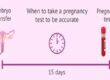
RIF is defined as the inability to achieve a clinical pregnancy after the transfer of four good-quality embryos over at least three fresh or frozen cycles in women under the age of 40. It is a key factor in repeated IVF failures, affecting approximately 10% of women undergoing IVF treatment. RIF can be distressing for patients, frustrating for doctors, and increase the overall cost of the procedure.
Who Is Prone to RIF?
Certain factors increase the likelihood of RIF, including:
- Older age
- Overweight or obesity
- Longer duration of infertility
- High hormone levels
- Increased gonadotropin doses required for controlled ovarian hyperstimulation (COH)
- Sperm motility and morphology issues in the male partner
Causes of Recurrent Implantation Failure
RIF may be due to embryonic factors, uterine factors, or other multifactorial causes.
- Embryonic Factors
The embryo results from the combination of an egg and sperm. Successful implantation depends on the quality of the embryo, transfer efficiency, and endometrial receptivity. Transferring more embryos does not necessarily improve success rates—quality is more important than quantity.
Reasons for Poor Embryo Quality:
• Sperm Quality: Poor sperm quality, particularly DNA fragmentation in morphologically normal sperm, negatively affects embryo quality and the probability of pregnancy in intracytoplasmic sperm injection (ICSI) cycles.
• Egg Quality: Egg quality depends on a woman’s age, ovarian reserve, and hormonal levels. The egg primarily determines the chromosomal integrity of the embryo. Only embryos with the correct number of chromosomes (euploid) can develop into healthy babies. As women age, the incidence of embryo aneuploidy (chromosomal abnormalities) increases, leading to higher risks of infertility, miscarriage, and congenital disabilities.
• Environmental Toxins: Exposure to heavy metals (e.g., mercury, lead, arsenic, titanium) can negatively impact reproductive health. These metals accumulate in body tissues, affecting hormone production, vascular health, and overall fertility.
• Radiation and Surgery: Previous exposure to radiation, pelvic pathology, or surgeries that compromise ovarian blood flow can reduce egg quality.
2. Uterine Factors
Uterine conditions can significantly impact implantation. These include:
- Mechanical Factors: Congenital uterine anomalies, fibroids, endometrial polyps, and intrauterine adhesions can affect implantation success.
- Inflammatory Factors: Conditions such as endometriosis, adenomyosis, hydrosalpinges (blocked fallopian tubes), and endometritis (inflammation of the endometrium) can contribute to RIF.
- Systemic Factors: Polycystic ovary syndrome (PCOS) is associated with reduced endometrial receptivity and progesterone resistance, which can impact implantation.
3. Multifactorial Factors
- Thyroid Function: Thyroid hormones play a crucial role in implantation. Abnormal thyroid function can reduce conception rates, increase miscarriage risk, and lead to adverse pregnancy outcomes.
- Prolactin Levels: Elevated prolactin levels during ovarian stimulation can affect ovarian response and pregnancy outcomes.
- Lifestyle Factors:
o Obesity: Approximately 35% of reproductive-age women are obese (BMI ≥ 30 kg/m²), which negatively impacts IVF success rates.
o Cigarette Smoking: Smoking reduces blood flow to the endometrium, hindering implantation.
Management of Recurrent Implantation Failure
To improve IVF outcomes, two key areas are addressed:
A. Assessing Embryonic Competence
Couples experiencing failed IVF cycles undergo a comprehensive evaluation. If sperm DNA fragmentation is a factor, lifestyle changes, weight loss, vitamin supplementation, and adjustments in ejaculation intervals may help. In severe cases, sperm may be obtained via testicular biopsy (TESE).
B. Optimizing Endometrial Receptivity
- Lifestyle Modifications: Exercise, weight loss, quitting smoking, and reducing alcohol intake can improve fertility outcomes.
- Ovarian Improvement: Medications may be prescribed to enhance egg quality. Early intervention and counseling regarding donor eggs may also be recommended.
- Surgical Corrections: Procedures to address intrauterine abnormalities, such as fibroid removal and correction of uterine septa, can improve implantation rates.
- Hormonal Treatments: Managing thyroid dysfunction, elevated prolactin levels, and progesterone deficiencies can enhance fertility.
- Martlife Detoxification: The Martlife Detox clinic provides unique and comprehensive protocols to eliminate pathogens, environmental toxins, and whole-body cleansing and regeneration. It has reported significant success in achieving pregnancy and births in patients with recurrent implantation failures.
Summary
Overall, couples are encouraged to persist with treatment, as repeated embryo transfers have been linked to higher pregnancy success rates, especially after a good detoxification process. Seeking professional guidance and personalized treatment plans can improve the chances of overcoming recurrent implantation failure.