
Urinary Tract Infections (UTIs): A Complete Guide by Medical Art Center
Understanding the Urinary System
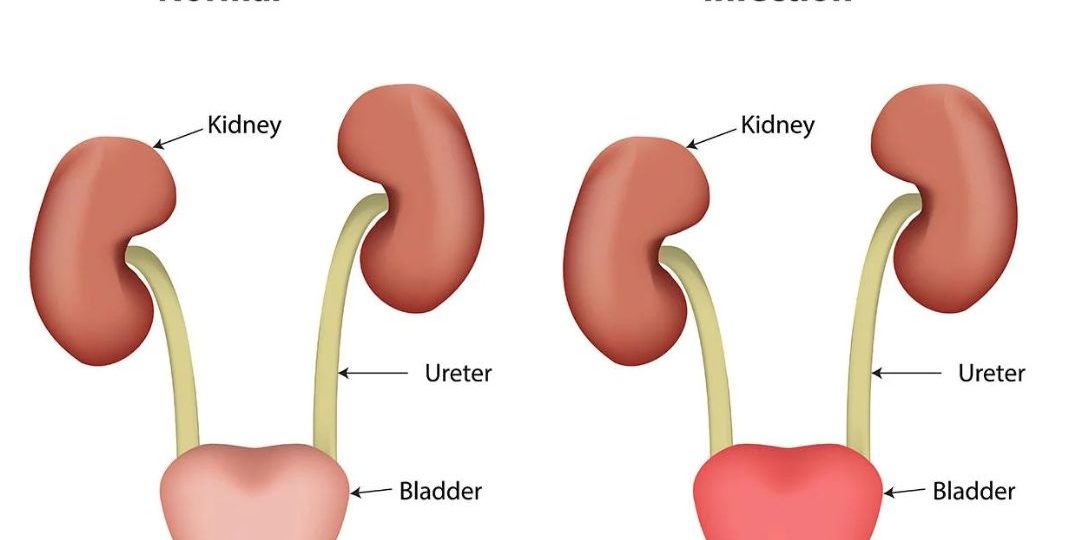
All living organisms need to excrete waste. The human body takes in water and fluids from drinks and food. Therefore, our bodies must efficiently remove these fluids. This vital task falls to the kidneys. These two essential organs, along with the ureters, bladder, and urethra, form the urinary system. This system works to eliminate waste fluids from the body.
However, this system is not immune to infection. A urinary tract infection (UTI) can develop at any point along this pathway. If left untreated, the consequences can be severe, potentially damaging the kidneys.
Why Are UTIs More Common in Women?
Women experience UTIs more often than men due to a key anatomical difference. The female urethra is much shorter (3-4 cm) than the male urethra (up to 25 cm). This shorter distance allows bacteria easier access to the bladder and upper urinary tract.
Additionally, infections from other parts of the body, like respiratory infections, can sometimes spread to the urinary tract. This further increases the risk for everyone.
Common Symptoms of a UTI
Symptoms can vary, but they often include:
-
Fever and a general feeling of discomfort (malaise)
-
Nausea and vomiting
-
Increased frequency and urgency to urinate
-
A burning sensation during urination
-
Blood in the urine (hematuria)
-
Foul-smelling urine
-
Pain in the lower back or loins
How Doctors Diagnose a UTI
When you report these symptoms, a doctor will first take a detailed medical history. A physical examination helps locate the affected area. Then, a urine test confirms the diagnosis.
The key to accurate testing is a properly collected “clean catch” mid-stream urine sample. This involves:
-
Washing the genital area with clean water (no soap).
-
Discarding the first part of the urine stream.
-
Collecting the urine sample mid-stream.
-
Sending the sample to a lab to identify the bacteria causing the infection.
Treatment, Recovery, and Prevention
After confirming the diagnosis, a doctor will prescribe the appropriate medication, usually antibiotics. It is crucial to complete the entire course of treatment to fully eradicate the infection and prevent complications. Fortunately, most patients recover fully with timely treatment. Physicians at the Medical Art Center can provide expert care for UTIs.
The Best Preventive Measure
Maintaining proper hydration is one of the simplest and most effective ways to prevent UTIs. Drinking at least three liters of fluids daily supports kidney health. An adequate water supply ensures the kidneys can produce enough urine to flush out toxins and bacteria, significantly reducing infection risk.
In conclusion, keeping your urinary system healthy is vital for your overall well-being. Drink plenty of water—your kidneys will thank you!